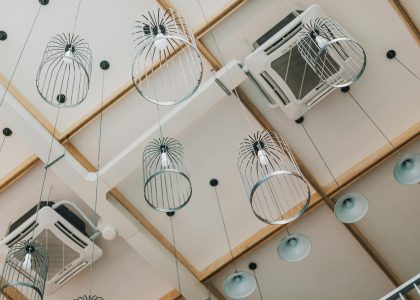

Minimalist lamps represent a design philosophy prioritizing essential components and functionality over ornamentation. This approach often results in objects characterized by clean lines, simple forms, and a neutral color palette. The aesthetic appeal of minimalist lamps lies in their understated elegance, which allows them to integrate seamlessly into various interior design schemes.
Minimalism, as a design movement, emerged in the mid-20th century, influenced by traditional Japanese aesthetics and the Bauhaus school. Its core tenets revolve around reduction, clarity, and utility.
Reduction to Essentials
At the heart of minimalism is the concept of paring down to the absolute necessary. In the context of lamps, this translates to designs that eliminate unnecessary embellishments, focusing instead on the light source itself and its primary support structure. The form is often dictated by function, creating an object that is both practical and aesthetically pleasing. This isn’t about absence, but about intentional presence. Like a skilled surgeon, the minimalist designer removes the extraneous to reveal the vital, leaving behind a form that resonates with profound simplicity.
Clean Lines and Simple Forms
Minimalist lamps are typically characterized by geometric shapes such as circles, squares, and lines. These forms contribute to a sense of order and tranquility within a space. The absence of complex curves or intricate details ensures a timeless appeal, preventing the lamp from becoming dated as trends shift. Consider a straight line: it embodies direction, efficiency, and an unwavering commitment to its purpose. Minimalist lamps often adopt this architectural honesty, becoming structural poems within a room.
Neutral Color Palettes
Color choices in minimalist design tend towards neutrals: white, black, gray, and natural wood tones. These colors enhance the sense of calm and allow the lamp to recede into the background, or conversely, to become a subtle focal point without overpowering other elements in the room. The palette acts as a silent canvas, upon which the dance of light and shadow can truly perform without distraction. It’s not about being bland, but about creating space for other elements to shine without competition.
Functional Aesthetics: Light as Form
Beyond their visual simplicity, minimalist lamps are designed with a keen understanding of light itself – how it interacts with space, and how it can be sculpted to create ambiance and practically illuminate.
The Role of Illumination
The primary function of any lamp is to provide light. Minimalist designs often highlight this function directly. Integrated LED technology, for example, allows for extremely slender profiles, where the light source itself becomes an integral part of the design, rather than a separate bulb within a shade. This fusion of light and form means that the lamp doesn’t just hold the light; it is the light.
Directed and Diffused Light
Minimalist lamps employ various strategies for light diffusion and direction. Some designs feature adjustable heads or arms, allowing the user to direct light precisely where needed – ideal for task lighting. Others utilize opaque or translucent materials to diffuse light evenly, creating a soft, ambient glow that contributes to a serene atmosphere. Think of light as a painter’s brush; a minimalist lamp controls that brush with precision, painting the room with either crisp strokes or a gentle wash, depending on its purpose.
Materiality and Craftsmanship
Materials play a crucial role in minimalist design. Common choices include aluminum, steel, wood, and glass, often left in their natural state or finished with a matte coating. The emphasis is on quality materials and meticulous craftsmanship, ensuring durability and a refined aesthetic. The choice of material is not arbitrary; it’s a deliberate decision that informs the lamp’s tactile quality and its visual weight. A finely brushed aluminum lamp feels different, and looks different, from a lacquered steel one, each contributing its own subtle texture to the spatial tapestry.
Versatility in Modern Interiors
The inherent simplicity of minimalist lamps makes them exceptionally versatile. They readily integrate into diverse interior design styles without clashing or creating visual clutter.
Seamless Integration
Unlike highly ornate or distinctly period-specific lamps, minimalist designs serve as unobtrusive elements. They can complement a Scandinavian-inspired living room, a contemporary office, or even a more eclectic space, providing functional lighting without competing for attention. They are the sartorial equivalent of a well-tailored neutral garment – they don’t demand the spotlight, but rather, elevate the overall ensemble.
Enhancing Spatial Perception
In smaller spaces, minimalist lamps can create an illusion of greater openness. Their lean profiles and often transparent or reflective materials prevent them from visually dominating a room. In larger spaces, they can provide focused illumination without adding to visual noise, allowing other architectural features or furnishings to take precedence. Consider them as subtle anchors, holding the visual composition together without being the central exhibit.
Adaptability to Trends
Interior design trends fluctuate, but core principles of functionality and clean aesthetics endure. Minimalist lamps, by their very nature, bypass passing fads. Their enduring appeal ensures that they remain relevant and stylish over time, making them a wise investment for someone seeking longevity in their home decor choices. They are not chasing the latest fashion; they are defining a timeless standard.
Choosing the Right Minimalist Lamp
Selecting a minimalist lamp requires considering both aesthetic preferences and practical lighting needs.
Assessing the Space
Before acquiring a lamp, consider the room it will inhabit. What is the existing color scheme? What other furniture and decor elements are present? A minimalist lamp should either harmonize with the existing palette or offer a subtle, complementary contrast. The lamp should be a silent conversant with its surroundings, engaging in a dialogue without shouting over other voices.
Defining the Lighting Purpose
Is the lamp intended for general ambient lighting, specific task illumination (e.g., reading, working), or accent lighting to highlight an architectural feature or piece of art? Different lamp types are suited for different purposes. A floor lamp might provide ambient light, while a sleek desk lamp is ideal for focused tasks. Understanding the lamp’s mission is paramount to its successful deployment.
Considering Scale and Proportion
The size and scale of the lamp should be appropriate for the space. A diminutive lamp in a grand room might appear insignificant, while an oversized lamp in a small area could overwhelm it. Pay attention to the lamp’s physical footprint and its visual weight. It’s like finding the right key for a lock – the fit must be precise for the mechanism to work effortlessly.
Maintaining the Minimalist Aesthetic
Maintaining a minimalist aesthetic extends beyond the initial purchase; it involves conscious choices about placement, surrounding objects, and ongoing care.
Strategic Placement
The placement of a minimalist lamp is critical. Its simplicity means that its location can draw attention to its form, or allow it to recede. Consider how light falls on surrounding surfaces and how the lamp itself interacts with other elements in the room. A well-placed minimalist lamp isn’t just about lighting; it’s about crafting an experience of space.
Preventing Visual Clutter
A hallmark of minimalism is the absence of clutter. Ensure that the area around the lamp remains clear, allowing its clean lines and simple form to be appreciated without distraction. Wires should be managed discreetly, and unnecessary objects removed. This discipline is not about sterility, but about creating pockets of calm and visual clarity.
Simplicity in Care
Due to their straightforward construction and often durable materials, minimalist lamps are generally easy to maintain. Regular dusting and occasional wiping with a damp cloth are typically sufficient to keep them looking their best. Their lack of intricate details means fewer crevices for dust to collect, further contributing to their clean aesthetic. This ease of care is an extension of the minimalist ethos – less fuss, more function.
In conclusion, a minimalist lamp is more than just a light source; it is a carefully considered object that embodies a philosophy of design. It offers clean aesthetics, functional efficacy, and enduring style, making it a compelling addition to a variety of interiors. Its value lies not in excess, but in its eloquent reduction, presenting light in its most honest and refined form. For someone who appreciates thoughtful design, quiet elegance, and practical beauty, a minimalist lamp stands as a testament to the power of simplicity, a beacon of clarity in an often-complex world. It is, therefore, a considered acquisition, a thoughtful gesture, and a lasting element that contributes significantly to the overall harmony of a space.