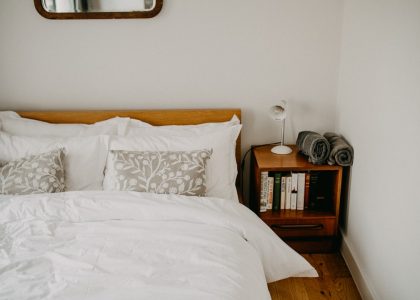

A mushroom-shaped handblown glass floor lamp can be a fantastic choice for studio apartment decor, primarily because it offers a unique blend of ambient lighting, sculptural artistry, and a compact footprint. These lamps often provide a soft, diffused glow that’s perfect for creating a cozy atmosphere in a smaller space, while their distinctive design acts as a conversation starter and a focal point without overwhelming the room. Plus, the very nature of handblown glass means each piece has subtle variations, giving your apartment a touch of bespoke charm that’s hard to replicate with mass-produced lighting.
Why a Mushroom Lamp Works in Small Spaces
Studio apartments, by their very nature, demand smart decor choices. Every item needs to earn its spot, contributing not just functionally but also aesthetically without adding clutter. A mushroom-shaped handblown glass floor lamp often hits this sweet spot beautifully.
The Power of Ambient Light
In a studio, overhead lighting can sometimes feel harsh or too clinical, especially in the evenings. A floor lamp, particularly one with a diffused glass shade, offers a much softer, more inviting illumination. The mushroom shape itself often lends itself to an even spread of light, bouncing it gently off walls and ceilings to create a warm, enveloping glow rather than harsh spotlights. This ambient light is crucial for making a small space feel less like a box and more like a comfortable living area. It helps blur the lines and corners, making the room feel a bit more expansive and less confined.
Sculptural Element Without Bulk
One of the biggest challenges in a studio is incorporating decorative elements without taking up precious floor or wall space. A mushroom lamp, with its organic, often bulbous shape, functions as a piece of art in its own right. It’s a sculptural element that sits directly on the floor, providing visual interest and a focal point without needing a separate pedestal or occupying valuable surface area on a side table. The distinctive silhouette adds personality and can elevate the overall design scheme, transforming an otherwise simple corner into something special.
Compact Footprint and Versatility
Despite their often prominent appearance, many mushroom floor lamps have a surprisingly compact base. Their vertical nature means they take up very little floor space compared to a wide, multi-armed floor lamp or a large console table with a table lamp. This makes them ideal for tucking into corners, beside a sofa, or next to a bed in a studio where every inch counts. They can easily be moved around to redefine zones within the open-plan layout – perhaps casting light over a reading nook one day and illuminating a small dining area the next, offering flexibility that’s valuable in adaptable living spaces.
What Makes Handblown Glass Special
The “handblown glass” aspect isn’t just a fancy descriptor; it genuinely contributes to the lamp’s unique appeal and suitability for a studio apartment. It adds layers of texture, light interaction, and individuality that you simply don’t get with machine-made alternatives.
Unique Character and Craftsmanship
Every handblown glass piece carries the subtle, almost imperceptible marks of its creation. The slight variations in thickness, the tiny air bubbles trapped within the glass, or the unique ripple of its surface are all hallmarks of a handcrafted item. This means that your mushroom lamp won’t be identical to anyone else’s, even if it’s the same model. This uniqueness brings a sense of individuality and bespoke charm to a studio apartment, helping it feel more personal and less like a showroom. It’s a quiet nod to artistry and skill, making the lamp feel like a cherished object rather than just a functional item.
Enhanced Light Diffusion and Texture
The very nature of handblown glass often results in a slightly irregular or textured surface, even if it appears smooth. This isn’t a flaw; it’s a feature. When light passes through this glass, it’s diffused in a more complex and interesting way than through perfectly uniform, machine-made glass. The light often appears softer, more atmospheric, and can even cast subtle, dancing patterns on nearby surfaces. For a studio, this nuanced light quality is incredibly valuable, as it helps create depth and visual interest without adding clutter, contributing to a rich, layered aesthetic.
Durability and Investment Value
While handblown glass might seem delicate, quality pieces are often quite robust. The process of blowing glass involves skilled manipulation and annealing (a controlled cooling process) which strengthens the material. Investing in a handblown glass lamp often means acquiring a piece that’s built to last, both in terms of physical durability and timeless design. Unlike trendy, mass-produced items that might quickly look dated or fall apart, a well-made handblown glass lamp can remain a focal point and a functional piece for many years, making it a sound investment for your home decor.
Styling Your Mushroom Lamp in a Studio
Integrating a distinctive piece like a mushroom-shaped floor lamp into a small space requires a bit of thought. The goal is to make it shine without overwhelming the room or clashing with existing decor.
Placement is Key
Because it’s a sculptural piece, its placement dictates its impact. Consider these spots:
- Next to a low-profile sofa or armchair: This creates a cozy reading nook and defines a living area within the studio. The lamp’s organic shape can beautifully contrast with the linear forms of upholstery.
- In a corner: Corners are often underutilized in studios. A mushroom lamp can brighten a dark corner, making the room feel larger and more inviting. It turns an empty space into an intentional design element.
- Beside the bed (if space allows): If you’re using a bed as a primary feature, a mushroom lamp can serve as both ambient light and a stylish bedside lamp, eliminating the need for a separate nightstand if space is tight. It offers a softer glow than many traditional bedside lamps.
- Near a small dining or work area: It can provide a gentle illumination that delineates this zone from the rest of the studio without taking up table space.
Complementary Decor Styles
Mushroom lamps, particularly those in handblown glass, are quite versatile. They can blend with a range of styles:
- Mid-century Modern: The organic forms and often earthy tones of many mushroom lamps naturally complement the clean lines and natural materials of mid-century design.
- Minimalist: In a minimalist studio, the lamp can be the single statement piece, providing visual interest without adding clutter. Its simplicity of form often aligns perfectly with a “less is more” philosophy.
- Bohemian/Eclectic: The unique, artisanal quality of handblown glass fits beautifully into an eclectic space, adding a handmade, earthy element.
- Contemporary: A sleek, modern mushroom lamp in a crisp color can add a touch of playful sophistication to a contemporary setting.
Balancing with Other Elements
Don’t let the lamp exist in a vacuum. Think about how it interacts with other elements in your studio:
- Color Palette: If your lamp is a bold color, keep surrounding elements more neutral to let it pop. If the lamp is a neutral tone, consider adding pops of color through cushions or artwork.
- Texture Play: The smooth, sometimes slightly textured glass can be beautifully contrasted with rougher textures like woven rugs, linen fabrics, or wooden furniture. This interplay of textures adds depth without adding visual noise.
- Scale: Ensure the lamp’s size is appropriate for your studio. While it’s a floor lamp, some mushroom designs are more slender than others. Avoid one that looks dwarfed by a large sofa or one that overpowers a tiny nook.
- Avoiding Overwhelm: In a studio, it’s easy to pack too much in. If your mushroom lamp is a strong statement, balance it by keeping other decor elements relatively simple. You want the lamp to be a highlight, not just another item in a cluttered space. Think of it as a star player, and give it room to shine.
Practical Considerations for Studio Living
Beyond aesthetics, there are practical aspects to consider when choosing and living with a mushroom-shaped handblown glass floor lamp in a studio apartment.
Light Output and Bulb Choice
The type of bulb you use will significantly impact the lamp’s functionality.
- Brightness (Lumens): Consider the primary purpose of the lamp. Is it for general ambient light, or do you need it bright enough for reading? For ambient light, around 400-800 lumens is often sufficient. For reading, you might want something closer to 800-1100 lumens, but the glass shade will diffuse this.
- Color Temperature (Kelvin): Warm white (2700K-3000K) is usually best for creating a cozy, inviting atmosphere in a studio. Cooler white (3500K-5000K) can feel too stark or office-like in a living space.
- Dimmability: A dimmer switch is a game-changer in a studio. It allows you to adjust the light level throughout the day and evening, catering to different activities and moods. Many mushroom lamps are compatible with dimmable bulbs. Check the lamp’s specifications to ensure it can accommodate one.
- LED Bulbs: Highly recommended for efficiency and longevity. They generate less heat, which is a plus for handblown glass, and they consume less energy, saving you money in the long run.
Cleaning and Maintenance
Handblown glass, while beautiful, does require a bit of care to keep it looking its best.
- Dusting: Regular dusting with a soft, dry microfiber cloth is usually sufficient to keep the surface clear.
- Fingerprints and Smudges: For smudges, a slightly damp cloth (with just water or a tiny bit of mild glass cleaner, if recommended by the manufacturer) followed by a dry cloth can work. Always spray cleaner onto the cloth, not directly onto the glass, to prevent it from dripping into electrical components.
- Avoid Abrasives: Never use abrasive cleaners, scouring pads, or harsh chemicals, as these can scratch or damage the glass surface.
- Handling: When moving or cleaning, always support the lamp by its base and main structure. Avoid putting pressure on the glass shade itself, especially if it’s detachable, to prevent accidental damage.
Safety and Stability
Given that it’s a floor lamp in a potentially high-traffic (even in a small space) environment, stability is important.
- Sturdy Base: Ensure the lamp has a heavy, stable base that won’t easily tip over, especially if you have pets or children, or if it’s placed near a main walkway.
- Cord Management: In a studio, visible cords can quickly make a space look messy. Use cord clips or channels to secure the power cord neatly along baseboards or furniture legs to prevent tripping hazards and maintain a clean aesthetic.
- Electrical Safety: Always ensure the lamp is UL or CE certified, indicating it meets safety standards. Inspect the cord regularly for any fraying or damage.
Where to Find Your Perfect Mushroom Lamp
Finding the right mushroom-shaped handblown glass floor lamp often involves a bit of searching, as they aren’t always readily available in every big-box store. Knowing where to look can save you time and help you discover a truly unique piece.
Independent Lighting Boutiques
These specialized stores often curate unique and artisan-made lighting fixtures. They are more likely to carry handblown glass pieces and might even work with local glass artists. The staff are usually very knowledgeable and can offer insights into the craftsmanship and care of specific lamps. While prices might be higher than mass-produced options, you’re paying for quality, design, and often a more personalized shopping experience.
Online Artisan Marketplaces
Websites like Etsy, ArtFire, or even dedicated online galleries for glass art are fantastic resources. You can often connect directly with the artists or small studios that create these lamps. This not only allows for a wider selection of unique designs and colors but also gives you the opportunity to learn more about the specific techniques used and the story behind the piece. Some artists might even offer custom color variations or slightly modified designs if you have specific requirements for your studio apartment. Just be sure to check seller reviews and shipping policies carefully.
Vintage and Antique Stores
Don’t overlook the charm of a vintage mushroom lamp. Many iconic mushroom lamp designs originated in the mid-century, and finding an original handblown glass piece from that era can be a real treasure. Look for stores specializing in mid-century modern furniture and decor. A vintage lamp can add character and history to your studio that a new piece simply can’t replicate. Always inspect the wiring and ensure it’s in safe working order; if not, budget for professional rewiring by a qualified electrician.
Home Decor Stores with Curated Collections
While big chain stores might not have a huge selection of handblown glass, some upscale or boutique-style home decor stores do feature curated collections that include unique lighting. These stores often focus on design-forward pieces and might have a rotating selection of artisan goods. It’s worth checking their lighting sections periodically, especially if you prefer to see the lamp in person before purchasing.
Direct from Glass Artists/Studios
If you’re truly passionate about the craftsmanship, consider researching glass blowing studios in your area or online. Many artists have their own websites or showrooms where they sell directly to customers. This is perhaps the best way to get a truly unique, one-of-a-kind piece and support a local artist simultaneously. You might even be able to commission a custom lamp that perfectly fits the dimensions and aesthetic of your studio apartment.
No matter where you choose to purchase, take the time to compare designs, read reviews if buying online, and consider the overall impact the lamp will have on your studio apartment. A mushroom-shaped handblown glass floor lamp isn’t just a light source; it’s a statement piece that can define the character and ambiance of your home.