
Stained glass originated in ancient civilizations, with its earliest forms appearing in the Roman Empire. Roman artisans incorporated colored glass pieces into mosaics to create decorative patterns. The art form experienced significant development during the Middle Ages in Europe, where churches and cathedrals became the primary locations for stained glass installations.
These windows served dual functions: they provided visual decoration and communicated religious stories and depictions of saints to populations with limited literacy. The emergence of Gothic architecture in the 12th century marked a period of technical advancement in stained glass production. Larger window openings enabled more elaborate compositions, while artisans developed new techniques including glass painting and layering multiple glass pieces to achieve dimensional effects.
Notable examples from this era include the rose windows at Notre-Dame Cathedral in Paris and the window panels at Chartres Cathedral. These works demonstrated both the craftsmen’s technical expertise and the symbolic importance of light in religious contexts. During the Renaissance period, stained glass design evolved further through the influence of prominent artists such as Albrecht Dürer and Michelangelo.
This era introduced more naturalistic approaches to the medium, incorporating principles of perspective and realistic representation that reflected broader artistic movements of the time.
The Art of Stained Glass Table Lamps: How They are Made
Creating stained glass table lamps Villenas is a meticulous process that combines artistry with craftsmanship. The first step in making a stained glass lamp involves selecting the right types of glass. Artisans often choose from a wide array of colored and textured glass, each piece contributing to the overall design.
The glass is then cut into specific shapes according to a predetermined pattern, which can range from simple geometric designs to intricate floral motifs. This cutting process requires precision; artisans use specialized tools such as glass cutters and grinders to ensure that each piece fits perfectly with its neighbors. Once the pieces are cut, they are assembled using copper foil or lead came.
Copper foil is a popular choice for more intricate designs, as it allows for greater flexibility in shaping the glass. Each piece is wrapped in copper foil, which is then soldered together to create a cohesive structure. This method not only provides strength but also enhances the visual appeal of the lamp by allowing light to pass through the seams.
After assembly, the lamp is often treated with patina to give it an aged look or enhance its color. Finally, the lamp is fitted with a base and electrical components, transforming it into a functional piece of art that can illuminate any space.
Choosing the Right Stained Glass Table Lamp for Your Bedroom
Selecting the perfect stained glass table lamp for your bedroom involves considering several factors, including size, style, and color scheme. The size of the lamp should be proportionate to your bedside table or dresser; a lamp that is too large can overwhelm a small space, while one that is too small may not provide adequate lighting. Additionally, consider the height of the lamp in relation to your bed.
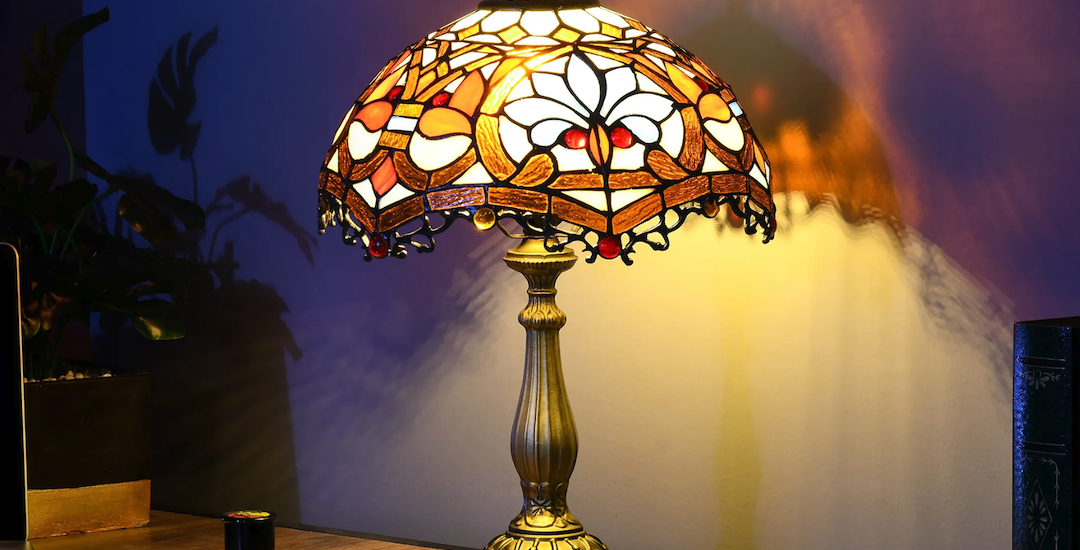
A lamp that is too tall may cast harsh shadows, while one that is too short may not provide sufficient illumination for reading or other activities. Style is another crucial aspect when choosing a stained glass table lamp. Stained glass lamps come in various designs, from traditional Tiffany-style lamps featuring floral patterns to more contemporary pieces with abstract designs.
It’s essential to select a lamp that complements your bedroom decor. For instance, if your bedroom features vintage furnishings, a classic Tiffany lamp with rich colors and intricate patterns would harmonize beautifully. Conversely, if your decor leans towards minimalism, a modern stained glass lamp with clean lines and muted colors may be more appropriate.
Additionally, consider the color palette of your bedroom; a lamp with colors that echo your bedding or wall art can create a cohesive look.
The Benefits of Using Stained Glass Table Lamps in Your Bedroom
Incorporating stained glass table lamps into your bedroom offers numerous benefits beyond their aesthetic appeal. One significant advantage is their ability to create a warm and inviting atmosphere. The interplay of light and color produced by stained glass can transform a room, casting beautiful patterns on walls and surfaces as sunlight filters through the glass.
This effect can enhance relaxation and comfort, making your bedroom a sanctuary for rest and rejuvenation. Moreover, stained glass lamps are versatile lighting solutions that can serve multiple purposes. They provide ambient lighting for general use while also offering focused illumination for tasks such as reading or working on hobbies.
Many stained glass lamps are designed with adjustable features or multiple bulbs, allowing you to customize the level of brightness according to your needs. Additionally, these lamps often become conversation pieces due to their unique craftsmanship and artistic designs, adding character and charm to your space.
How to Incorporate Stained Glass Table Lamps into Your Bedroom Decor
Integrating stained glass table lamps into your bedroom decor requires thoughtful consideration of placement and surrounding elements. One effective approach is to position the lamp on bedside tables flanking your bed. This not only provides balanced lighting but also creates symmetry in your room’s design.
If you have a larger bedside table or dresser, consider using two lamps with complementary designs to enhance visual interest while maintaining harmony. Another way to incorporate stained glass lamps is by using them as accent pieces in various areas of your bedroom. For instance, placing a smaller stained glass lamp on a bookshelf or dresser can draw attention to decorative items or personal mementos displayed nearby.
Additionally, consider pairing your stained glass lamp with other materials such as wood or metal to create contrast and depth in your decor. A wooden nightstand paired with a colorful stained glass lamp can evoke warmth and coziness, while a sleek metal base can lend a modern touch.
Maintenance and Care for Stained Glass Table Lamps
Maintaining stained glass table lamps is essential for preserving their beauty and functionality over time. Regular cleaning is crucial; dust and grime can accumulate on both the glass and metal components, dulling their appearance. To clean your stained glass lamp, use a soft cloth or microfiber towel dampened with water or a gentle glass cleaner.
Avoid using abrasive materials that could scratch the surface of the glass or damage the soldering between pieces. In addition to cleaning, it’s important to periodically check the electrical components of your lamp for safety reasons. Ensure that the wiring is intact and free from fraying or damage.
If you notice any issues with the electrical system, consult a professional electrician for repairs rather than attempting to fix it yourself. Furthermore, consider placing your lamp away from direct sunlight for extended periods; prolonged exposure can cause colors to fade over time.
DIY Stained Glass Table Lamp Projects for the Creative Bedroom Decorator
For those who enjoy hands-on projects, creating your own stained glass table lamp can be an incredibly rewarding endeavor. DIY stained glass projects allow you to express your creativity while crafting a unique piece tailored specifically to your taste and decor style. To begin, gather materials such as colored glass sheets, copper foil or lead came, soldering tools, and a lamp kit that includes electrical components.
Start by designing your lamp shade pattern on paper; this will serve as a guide during the cutting process. Once you have your design finalized, carefully cut the glass pieces according to your pattern using appropriate tools. After cutting, wrap each piece in copper foil or assemble them using lead came before soldering them together.
This process requires patience and precision but results in a one-of-a-kind lamp that reflects your personal style. Once completed, you can customize the base and electrical components to match your design.
Where to Find Quality Stained Glass Table Lamps for Your Bedroom
Finding quality stained glass table lamps involves exploring various sources that specialize in this art form. Antique shops often carry unique vintage pieces that showcase historical craftsmanship; these lamps can add character and charm to any bedroom decor. Additionally, local artisan markets or craft fairs may feature contemporary stained glass artists who create original designs that reflect modern aesthetics.
Online platforms also offer an extensive selection of stained glass lamps from various retailers and artisans worldwide. Websites like Etsy provide access to handmade items from independent creators who often share their stories and techniques behind their work. When purchasing online, be sure to read reviews and check return policies to ensure you are getting a quality product that meets your expectations.
Whether you choose an antique find or a modern creation, investing in a well-crafted stained glass table lamp will enhance your bedroom’s ambiance for years to come.