
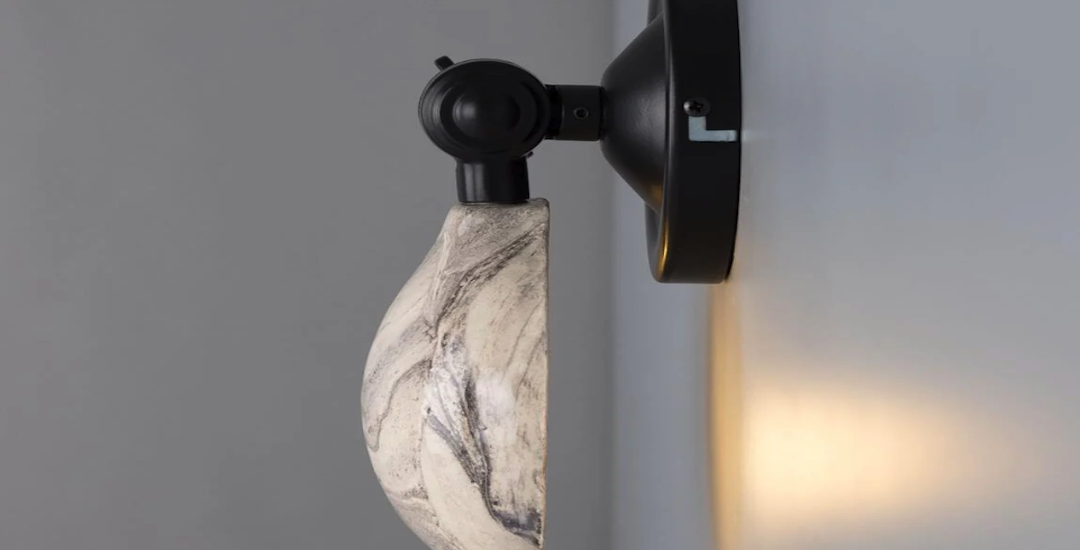
A porcelain wall lamp, as a decorative and functional lighting fixture, utilizes handcrafted porcelain for its construction. This material choice and manufacturing process contribute to the lamp’s aesthetic qualities and, in some cases, its durability and insulating properties.
The core of an “Elegant Handcrafted Porcelain Wall Lamp” lies in its material and the methods employed to shape it. Porcelain, a ceramic made by heating materials, generally including kaolinite, in a kiln to temperatures between 1,200 and 1,400 °C (2,200 and 2,600 °F), possesses several characteristics that make it suitable for lighting Miilighting fixtures.
Porcelain Composition and Properties
Porcelain, when fired, undergoes vitrification, a process that fuses the raw materials into a dense, non-porous, and often translucent material. This density contributes to its strength and resistance to chipping and scratching compared to some other ceramic types. The specific composition of the porcelain, including the types and ratios of clay, feldspar, and quartz, can influence its properties such as whiteness, translucency, and firing temperature.
Kaolinite and its Role
Kaolinite, a clay mineral, is a primary component in porcelain. Its presence is crucial for imparting plasticity to the clay body, allowing it to be shaped. During firing, kaolinite transforms into mullite and glassy phases, contributing to the strength and integrity of the final product.
Feldspar and Fluxing Agents
Feldspar acts as a flux, meaning it lowers the melting point of the other components. This enables the porcelain to vitrify at achievable kiln temperatures. The type and amount of feldspar used can impact the firing behavior and the final ceramic’s translucency.
Quartz and Structural Integrity
Quartz, a stable mineral, provides structural support to the porcelain body. It resists deformation during firing and contributes to the overall hardness and durability of the finished piece.
Handcrafting Techniques
The designation “handcrafted” implies methods of creation that involve direct manipulation by artisans rather than solely automated processes. This can encompass a range of techniques applied to porcelain.
Molding and Sculpting
Porcelain clay can be shaped through various molding techniques, such as slip casting, press molding, or jiggering. Slip casting, for instance, involves pouring liquid clay (slip) into a plaster mold, allowing the plaster to absorb water and form a solid layer against the mold’s interior. After sufficient thickness is achieved, excess slip is poured out, leaving a hollow form. Sculpting, on the other hand, involves more direct manipulation of the clay, allowing for intricate detailing and unique forms.
Glazing and Firing
Once shaped and dried, porcelain pieces are typically glazed. Glazes are liquid coatings applied to the ceramic surface, which fuse to the body during firing, forming a smooth, protective, and often decorative layer. The type of glaze can vary widely, affecting the final appearance, from matte to high gloss, and the color. The firing process itself is critical, requiring precise temperature control over extended periods to ensure proper vitrification and glaze maturation. Kiln atmosphere (oxidizing or reducing) can also influence the final color and properties of both the porcelain body and the glaze.
Design and Aesthetic Qualities
The “elegant” aspect of such a lamp is primarily derived from its design and the inherent beauty of handcrafted porcelain.
Form and Silhouette
The shape and outline of the wall lamp are fundamental to its perceived elegance. This can range from minimalist geometric forms that project a sense of sophisticated simplicity to more ornate or sculptural designs that act as focal points. The subtle curves, sharp angles, or flowing lines all contribute to the overall visual dialogue the lamp creates within a space.
Minimalist Designs
Minimalist designs often feature clean lines and uncluttered forms. The elegance here arises from the absence of superfluous ornamentation, allowing the material and the lamp’s function to take center stage. A simple, well-proportioned dome or a sleek, linear sconce made of porcelain can convey a sense of understated luxury.
Classic and Ornate Designs
Conversely, designs inspired by historical styles or featuring more elaborate detailing can also be considered elegant. This might involve the incorporation of decorative motifs, raised patterns, or sculpted elements that evoke a sense of tradition and artistry. The skill of the artisan in executing these details without appearing gaudy is key to maintaining elegance.
Translucency and Light Diffusion
Porcelain’s inherent translucency, especially when thinly cast, plays a significant role in how light is emitted. This property allows for a gentler, more diffused light output compared to opaque materials.
Soft Illumination
The ability of porcelain to soften and scatter light can create a calming and welcoming ambiance. Instead of a harsh, direct beam, the light emanates through the material, enveloping the surrounding area with a gentle glow. This is akin to how moonlight filters through thin clouds, offering illumination without starkness.
Shadow Play and Texture
The interplay of light and shadow on the textured surface of handcrafted porcelain can add another layer of visual interest. Subtle imperfections, the texture of the glaze, or the relief of sculpted elements can all interact with the light, creating dynamic visual patterns that shift as one moves around the lamp.
Color and Finish
The color and surface finish of the porcelain significantly impact the lamp’s overall aesthetic.
Glaze Variations
The vast array of glazes available allows for a wide spectrum of colors and finishes. From matte whites and earthy tones to vibrant hues and metallic sheens, the choice of glaze can dramatically alter the lamp’s character. A glossy glaze might reflect light and appear more opulent, while a matte finish can lend a more subdued and sophisticated feel.
Natural Porcelain Tones
In some instances, the natural color of the fired porcelain itself, often a warm off-white or a subtle ivory, is allowed to be the primary aesthetic. This can highlight the material’s purity and the subtle variations that arise from the handcrafted process.
Functional Aspects and Application
Beyond its decorative appeal, a porcelain wall lamp serves a primary function: illumination. Its design and material contribute to its practical application in various settings.
Light Source Integration
The design of the lamp accommodates a light source, typically an incandescent, LED, or halogen bulb. The manner in which the light source is integrated can affect the lamp’s appearance and the quality of light it produces.
Bulb Types and Considerations
The choice of bulb influences the color temperature, brightness, and energy efficiency of the lighting. For a porcelain lamp intended to create a warm and inviting atmosphere, lower color temperature bulbs (e.g., 2700K) are often preferred. The physical size and shape of the bulb also need to be compatible with the lamp’s housing.
Diffuser and Shade Design
Many porcelain wall lamps incorporate a diffuser or shade, which is often also made of porcelain or another complementary material. This component shields the direct view of the bulb, further softening and distributing the light. The shape and material of the diffuser are critical in shaping the light pattern.
Mounting and Installation
As a wall-mounted fixture, proper installation is essential for both safety and aesthetic integration.
Wall Mounting Systems
Porcelain wall lamps typically attach to a wall bracket, which is securely fastened to the wall structure. The design of the bracket and the method of attachment are engineered to support the weight of the lamp and to ensure a stable, flush fit against the wall.
Wiring and Electrical Safety
Like all electrical fixtures, porcelain wall lamps must be wired according to electrical codes. This involves connecting the lamp to the building’s electrical system, often through junction boxes. Safety standards dictate the use of appropriate wiring gauges, insulation, and grounding measures.
Durability and Maintenance
The properties of porcelain, combined with its handcrafted nature, influence its longevity and care requirements.
Resistance to Wear
The vitrified nature of fired porcelain makes it inherently resistant to corrosion and staining. Its hard surface can also withstand a degree of abrasion, though sharp impacts can still cause breakage.
Cleaning and Care
Cleaning most porcelain wall lamps is straightforward. A soft, damp cloth is generally sufficient for removing dust and light grime. For more stubborn marks, a mild soap solution can be used, followed by rinsing and drying. Avoiding abrasive cleaners or harsh chemicals is important to preserve the glaze’s finish.
Placement and Contextual Integration
The “elegance” of a porcelain wall lamp is amplified by its thoughtful placement within an interior design scheme. Its presence can transform a space, serving as both an accent and a functional element.
Complementing Interior Styles
The design of the porcelain wall lamp should harmonize with the overall aesthetic of the room.
Modern and Contemporary Spaces
In modern settings, a porcelain wall lamp with clean lines and a simple form can enhance the minimalist aesthetic. It can provide a subtle accent without overwhelming the space, acting like a quiet spoken word in a conversation.
Traditional and Transitional Interiors
Ornate or classic designs can find a natural home in traditional or transitional interiors, adding a touch of sophistication and historical reference. These lamps can echo architectural details or complement antique furnishings.
Eclectic Decors
Even in eclectic spaces, a thoughtfully chosen porcelain wall lamp can act as a unifying element, bridging disparate styles through its material quality and craftsmanship.
Role in Lighting Schemes
Wall lamps are versatile elements within larger lighting plans, contributing ambient, task, or accent lighting.
Ambient Lighting
When used to provide general illumination, porcelain wall lamps can create a soft, diffused glow that contributes to the overall mood of a room. Multiple lamps strategically placed can ensure even light distribution.
Accent and Task Lighting
In specific areas, a wall lamp can provide focused light. For example, beside a mirror in a hallway or bathroom, or to highlight a piece of artwork on a wall, showcasing a particular element as a curator highlights a masterpiece.
Scale and Proportion
The size of the lamp relative to the wall and surrounding furniture is crucial for visual balance.
Wall Space Considerations
A large, dominant wall might accommodate a larger or more elaborate lamp, while a smaller alcove or hallway might benefit from a more petite fixture. The lamp’s scale should feel appropriate, neither dwarfed by its surroundings nor overpowering them.
Furniture Integration
When placed near furniture, the lamp’s height and reach should be considered. A lamp positioned beside an armchair, for instance, should provide adequate light for reading without being intrusive.
Artistic and Decorative Value
Beyond its utilitarian purpose, a handcrafted porcelain wall lamp possesses inherent artistic and decorative merit.
A Statement Piece
A well-designed and crafted porcelain wall lamp can elevate the status of a room from merely functional to decidedly curated. It acts as a spoken declaration of taste and an appreciation for artisanal skill.
Handcrafted Distinction
The unique characteristics of handcrafted items, such as subtle variations in form, glaze imperfections that are intentional artistic choices, or the artist’s signature touch, imbue the lamp with a distinct personality. This sets it apart from mass-produced lighting, much like a painter’s brushstroke differs from a printed image.
Materiality and Tactility
The visual and tactile qualities of porcelain contribute to its decorative appeal. The smoothness of the glaze, the inherent density of the material, and the way light interacts with its surface all offer a sensory experience that enhances its aesthetic value.
Investment in Craftsmanship
The purchase of a handcrafted porcelain wall lamp can be seen as an investment in skilled artistry. The time, expertise, and dedication required to create such a piece are reflected in its quality and its potential to remain a valued item for years.
Longevity and Timelessness
Unlike trends in furniture or decor that can quickly become dated, the elegance of well-crafted porcelain often possesses a timeless quality. A classic design executed in a durable material can remain aesthetically relevant across changing interior design paradigms.
Supporting Artisans
Choosing handcrafted items also supports the livelihoods of artisans and preserves traditional craft techniques. This contributes to a richer cultural landscape, ensuring that skills that might otherwise be lost are maintained and passed on.
In essence, a handcrafted porcelain wall lamp is more than just a source of light. It is a fusion of material science, artisanal skill, and design sensibility, capable of enhancing the ambiance and aesthetic character of a living space. Its enduring appeal lies in its ability to offer both practical illumination and visual artistry, a testament to the enduring beauty of well-executed craft.