
This article discusses the utility and aesthetic benefits of incorporating colorful table lamps into children’s room environments. It explores various aspects of lamp selection, placement, and safety, providing a comprehensive guide for readers seeking to enhance their child’s personal space.
Illuminating a child’s room extends beyond mere visibility; it significantly impacts mood, concentration, and sleep patterns. Effective lighting creates an environment conducive to play, learning, and rest.
Psychological Impact of Color and Light
Colors possess inherent psychological associations. Warm colors, such as reds and oranges, can evoke feelings of energy and excitement, while cool colors, like blues and greens, are often linked to calmness and relaxation. Strategic use of colorful table lamps allows parents to introduce these emotional cues into a child’s environment. For instance, a soft blue lamp positioned near a child’s bed might promote tranquility before sleep, acting as a gentle visual prompt for winding down. Conversely, a vibrant yellow lamp could enliven a creative corner, signaling a space for active engagement.
Light, in its intensity and spectrum, also influences circadian rhythms. Exposure to bright, cool-toned light during the day helps regulate alertness, while dimmer, warmer light in the evening can signal the body it’s time to prepare for sleep. A colorful table lamp can be a tool in this regulation, offering adjustable brightness and color temperature options to support natural sleep-wake cycles.
Enhancing Visual Stimulation and Imagination
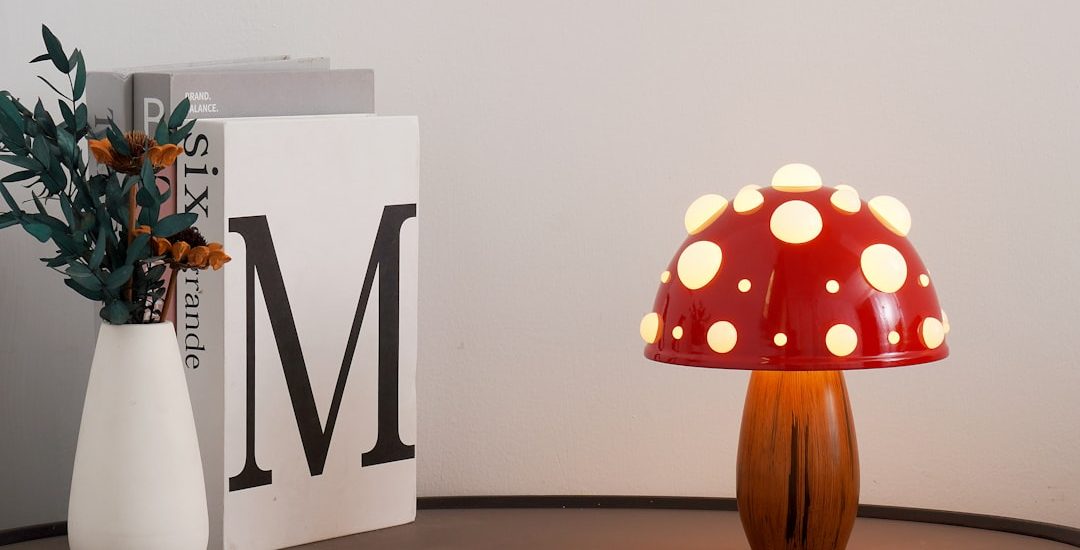
Children’s rooms are often vibrant spaces dedicated to exploration and discovery. A colorful table lamp can serve as a focal point, drawing the eye and adding a dynamic element to the decor. The interplay of light and color can stimulate a child’s visual system, encouraging them to observe and interpret their surroundings. For younger children, a lamp with playful shapes or patterns can spark recognition and engagement, transforming a functional object into an interactive element of their room.
Beyond visual stimulation, a well-placed and imaginatively designed lamp can be a catalyst for imaginative play. Imagine a lamp shaped like a friendly animal casting a warm glow, inviting stories and adventures within its beam. It transforms from a simple light source into a character, a companion, or even a portal to a fantastical realm. This subtle enhancement can cultivate creativity and provide a setting for children to develop their narrative abilities. The lamp becomes a silent partner in their world-building.
Choosing the Right Colorful Table Lamp
Selecting an appropriate table lamp involves considering several factors beyond just aesthetics. Practicality, safety, and suitability for the child’s age are paramount.
Age Appropriateness and Design Themes
The design of a table lamp should align with the child’s developmental stage and interests. For infants and toddlers, lamps with soft, diffused light and simple, rounded shapes are preferable. Avoid small, detachable parts that could pose a choking hazard. As children grow, their preferences evolve. A lamp featuring beloved cartoon characters, animals, or nature themes might appeal to preschoolers. For school-aged children, themes related to hobbies, science, or fantasy often resonate.
When considering themes, think about longevity. While a character-specific lamp might be popular now, a more timeless design with interchangeable shades could offer greater versatility as the child’s tastes mature. This approach allows for periodic refreshes without replacing the entire fixture, saving resources and reducing environmental impact. The lamp should grow with the child, not be outgrown.
Material Safety and Durability
The materials used in a child’s table lamp are critical for both safety and longevity. Look for lamps constructed from non-toxic, durable materials. Plastic components should be BPA-free, and paints should be lead-free and non-VOC. Wood should be splinter-free and smoothly finished.
Durability is another key consideration. Children’s rooms are active environments. A lamp should be able to withstand accidental bumps and minor impacts. Heavy, stable bases are essential to prevent tipping. Shatterproof diffusers or shades are highly recommended, especially for lamps placed within easy reach. Consider lamps with enclosed bulb housings to prevent children from touching hot bulbs. The lamp should be a steadfast companion, not a fragile ornament.
Light Output and Functionality
The primary function of a table lamp is to provide light, but the type and intensity of that light are crucial for a child’s room. Consider lamps with adjustable brightness settings, allowing for bright task lighting during playtime or homework, and a softer glow for bedtime stories or night light functions. Dimmable LED lamps are an excellent choice for their energy efficiency and versatility.
Color temperature is also important. Cooler, brighter light (higher Kelvin) is suitable for stimulating activities, while warmer, softer light (lower Kelvin) promotes relaxation. Some advanced lamps offer color-changing capabilities, providing a dynamic element that can adapt to different moods or activities. USB charging ports, integrated clocks, or even Bluetooth speakers can add further utility, transforming the lamp into a multi-functional hub within the child’s space. This makes the lamp more than just a light; it becomes a versatile tool.
Placement and Ergonomics
The strategic placement of a colorful table lamp optimizes its functionality and safety. Ergonomic considerations ensure comfort and minimize strain.
Optimal Positioning for Tasks and Ambience
The placement of a table lamp should be dictated by its intended use. For reading or homework, position the lamp on a desk or table to the side of the dominant hand, minimizing shadows. The light source should be close enough to illuminate the task area effectively without causing glare. The height of the lamp is also important; the bottom edge of the lampshade should be roughly at eye level when the child is seated, preventing direct light from entering their eyes.
For ambient lighting, a table lamp can be placed on a bedside table, a dresser, or a shelving unit. Here, the goal is to cast a gentle, diffused light that contributes to the overall atmosphere of the room. Using a colorful shade can enhance this ambient effect, infusing the room with a specific hue. Consider how the lamp’s light interacts with other light sources in the room, creating layers of illumination that can be adjusted for different activities throughout the day. It’s like painting with light, adding strokes of color and intensity to the room’s canvas.
Avoiding Glare and Eye Strain
Glare, defined as excessive brightness that interferes with vision, can cause discomfort and eye strain. When positioning a colorful table lamp, ensure that the naked bulb is never directly visible from primary viewing angles, especially when the child is engaged in focused activities like reading or drawing. Lampshades play a crucial role in diffusing and directing light.
Consider the reflectivity of surfaces near the lamp. Glossy desks or highly polished furniture can amplify glare. Opt for matte finishes where possible, or position the lamp so its light doesn’t bounce directly off such surfaces into the child’s eyes. The goal is to provide ample light without creating harsh contrasts that force the eyes to constantly re-adjust, which can lead to fatigue and headaches. The lamp should be a helpful beam, not a piercing ray.
Integrating with Existing Room Layout
A colorful table lamp should complement, not clash with, the existing furniture arrangement and decor of the child’s room. Before purchasing, consider the dimensions of the available surface areas. A large lamp on a small bedside table can look disproportionate and present a tipping hazard. Conversely, a tiny lamp on a expansive dresser might appear lost.
Think about the cable management. Cords should be routed safely and discreetly, out of the way of foot traffic and curious hands. Cable ties or adhesive clips can help secure cords along furniture legs or walls. The lamp should blend seamlessly into the room’s infrastructure, becoming a natural extension of the space. It should feel like it belongs, a harmonious note in the room’s symphony.
Safety Considerations for Children’s Lamps
Safety is paramount when introducing any electrical appliance into a child’s environment. Table lamps, by their nature, involve electricity and heat, necessitating careful consideration of potential hazards.
Electrical Safety Standards and Certifications
Always purchase table lamps that meet recognized electrical safety standards. In many regions, this involves specific certifications, such as UL (Underwriters Laboratories) in North America or CE (Conformité Européenne) in Europe. These certifications indicate that the product has undergone rigorous testing and complies with safety regulations regarding electrical components, wiring, and materials.
Inspect the lamp for any visible damage to the cord, plug, or housing before use. Cords should be free from fraying or nicks. The plug should fit snugly into the outlet. Ensure outlets are not overloaded, and consider using child-proof outlet covers to prevent accidental contact with live sockets. These steps are not just recommendations; they are vital safeguards.
Preventing Overheating and Fire Hazards
Light bulbs generate heat, and improper ventilation or wattage can lead to overheating and fire hazards. Always use light bulbs of the correct wattage specified by the lamp manufacturer. Exceeding the recommended wattage can overheat the lamp fixture and lead to premature bulb failure or even fire.
Ensure that lampshades are made from non-flammable or flame-retardant materials. Never place flammable materials, such as curtains, blankets, or fabric toys, directly over or in close proximity to a table lamp. Maintain adequate clearance around the lamp to allow for proper heat dissipation. Regularly check the lamp and bulb for excessive heat, especially after prolonged use. A lamp should illuminate, not incinerate.
Childproofing Against Tipping and Falls
Children’s rooms are dynamic environments where accidental bumps and pushes are common. A stable base is crucial for any table lamp. Lamps with wide, heavy bases are generally more resistant to tipping. Consider lamps that can be securely affixed to a surface if possible, especially on unstable furniture or in high-traffic areas.
Position lamps away from the edges of tables or shelves where they could be easily knocked over. If the lamp has a long cord, ensure it is not dangling or draped in a way that creates a tripping hazard or allows a child to pull the lamp down. Secure cords with clips or cable management solutions. The lamp should be a grounded presence, not a potential projectile.
Maintenance and Longevity
Proper care and maintenance extend the life of a colorful table lamp and ensure its continued safe operation.
Regular Cleaning and Dusting
Dust accumulation on lampshades and bulbs can not only dim the light output but also pose a fire hazard. Dust is flammable, and excessive buildup on a hot bulb or fixture can ignite. Regularly dust the lamp with a soft, dry cloth. For fabric lampshades, a lint roller or a vacuum cleaner with a brush attachment can remove dust effectively.
For hard surfaces, a damp cloth (ensure the lamp is unplugged) can be used, followed by a dry cloth to prevent water marks or electrical issues. Never spray cleaning solutions directly onto electrical components. Consistent cleaning ensures optimal performance and reduces the risk of dust-related hazards. It’s a small task with significant benefits, like polishing a gemstone to reveal its brilliance.
Bulb Replacement and Energy Efficiency
When a light bulb needs replacement, ensure you choose the correct type and wattage as specified by the manufacturer. LED bulbs are highly recommended for children’s lamps due to their energy efficiency, long lifespan, and lower heat output compared to incandescent bulbs. They also offer a wider range of color temperatures and often dimming capabilities.
Consider the environmental impact of bulb disposal. Many municipalities offer recycling programs for LED and fluorescent bulbs. Choosing energy-efficient bulbs not only reduces electricity consumption but also contributes to a more sustainable household. It’s a small choice that casts a large impact.
Extending Lamp Life and Adaptability
To maximize the longevity of a colourful table lamp, consider its adaptability. Can the lampshade be easily replaced to update the aesthetics as the child grows? Are spare parts, like switches or cords, readily available if needed? Investing in a well-constructed lamp with easily serviceable components can significantly extend its lifespan, reducing waste and the need for frequent replacements.
Teach older children how to properly handle and care for their lamp, instilling a sense of responsibility for their belongings. By fostering good habits and making informed choices during purchase, a colorful table lamp can serve as a long-lasting, cherished element within a child’s room, illuminating many years of learning and play. It becomes an enduring symbol of their evolving space.