
So, you’re wondering how glass pendant lighting can really change your dining area. Well, the short answer is: significantly. It’s not just about throwing some light on your table; it’s about shaping the atmosphere, highlighting your food, and making the whole eating experience feel a bit more intentional and enjoyable. We’re talking practical aesthetics here—lighting that looks good and works hard.
Why Glass Pendants? More Than Just a Pretty Face
When we talk about choosing lighting for a dining space, glass pendants often come up. But it’s worth understanding why they’re a good fit, beyond just their appearance. Unlike solid fixtures that block light, glass allows for a unique play of illumination, and this has a direct impact on how your dining room feels and functions.
The Magic of Light Diffusion
One of the biggest advantages of glass is how it handles light. Depending on the type of glass – clear, frosted, seeded, or ribbed – it can diffuse light in various ways. Clear glass offers a crisp, direct light that can feel modern and bright, perfect for seeing every detail of your meal. Frosted glass, on the other hand, softens the light, spreading it more evenly and reducing harsh shadows. This creates a warmer, more inviting glow, which is often what people are looking for in a dining setting.
Enhancing Your Space Visually
Glass fixtures don’t just provide light; they contribute to the visual perception of your room. Their transparency or translucency means they don’t feel as heavy or bulky as metal or opaque fixtures. This is particularly useful in smaller dining areas where you want to maintain an open, airy feel. A chunky, dark fixture might dominate the space, making it feel smaller, whereas a delicate glass pendant can almost disappear, while still doing its job. They add a touch of refinement without overwhelming the eye.
A Nod to Versatility
Glass is a surprisingly versatile material. It can be blown into intricate shapes, molded into sleek modern designs, or even given a vintage-inspired textured finish. This means that no matter your dining room’s existing decor—be it minimalist, industrial, traditional, or eclectic—you can likely find a glass pendant that complements it. It’s not about forcing a style; it’s about finding a harmonious match.
Getting the Right Light: Practical Considerations for Your Dining Table
Choosing a glass pendant isn’t just about picking one you like the look of. There are practical elements to consider to ensure it actually elevates your dining experience rather than hindering it.
Sizing It Up: The Goldilocks Principle
The size of your pendant light (or lights, if you’re using multiple) is crucial. Too small, and it looks lost and doesn’t provide enough light. Too large, and it can overwhelm the table and the room, making it feel cramped. A general rule of thumb is that the fixture’s diameter should be about half to two-thirds the width of your dining table. If you have a particularly long table, multiple smaller pendants often work better than one huge one, creating a more balanced visual.
- Table Shape and Size: For round tables, a single, central pendant usually works well. Rectangular or oval tables often benefit from two or three smaller pendants spaced evenly, or a single linear pendant designed for such tables.
- Ceiling Height: A high ceiling can handle a larger, more dramatic fixture, while a lower ceiling calls for something more streamlined to prevent the room from feeling closed in.
Hanging Height: Don’t Blind Your Guests
This is a common mistake and one that can instantly spoil a dining experience. The height at which you hang your pendant is critical for both illumination and visual comfort. Too high, and the light gets lost, failing to properly illuminate the table. Too low, and it becomes a glare source, obstructing views across the table.
- The Sweet Spot: A good general guideline is to hang the bottom of the pendant roughly 30 to 36 inches (75-90 cm) above the tabletop. This allows for clear sightlines while ensuring the light effectively illuminates the eating surface without shining directly into people’s eyes.
- Adjustability: If possible, choose pendants with adjustable cords or rods, allowing for fine-tuning after installation. This flexibility can make a big difference.
Bulb Choice: It’s More Than Just On/Off
The light bulb you use inside your glass pendant is just as important as the fixture itself. The type of bulb dictates the quality, temperature, and intensity of the light.
- Color Temperature: This is measured in Kelvin (K). Lower Kelvin numbers (around 2700K-3000K) produce a warm, yellowish light, which is generally preferred for dining as it creates a cozy, inviting atmosphere and makes food look more appealing. Higher Kelvin numbers (4000K-5000K+) produce cooler, bluer light, which can feel harsh and clinical in a dining setting.
- Brightness (Lumens): Don’t just look at watts; look at lumens. Lumens indicate the actual brightness. For a dining area, you want enough light to comfortably see your food and company, but not so much that it feels like an operating room.
- Dimmable Options: This is a non-negotiable for dining. A dimmer switch allows you to adjust the light intensity to suit different occasions—bright for homework or a family board game, soft for a romantic dinner party. Most LED bulbs are dimmable, but always check the packaging.
- Bulb Aesthetics: With clear glass pendants, the bulb itself is often visible. Consider filament bulbs (LED versions are available) for a touch of vintage charm, or opal bulbs for a softer, more diffused light that minimizes glare.
Aesthetic Choices: Shaping Your Dining Room’s Personality
Once the practicalities are sorted, you can dive into the stylistic aspects that will truly define your dining experience. Glass pendants offer a broad spectrum of design possibilities.
The Appeal of Clear Glass
Clear glass pendants are a classic for a reason. They offer unobstructed light and a sleek, unobtrusive appearance. They work well in modern, minimalist, and even industrial-inspired spaces.
- Modern Elegance: Simple, geometric shapes in clear glass can perfectly complement a contemporary dining room, adding a sophisticated touch without visual clutter.
- Industrial Edge: Exposed filament bulbs within clear glass cages or robust metal detailing can lean towards an industrial aesthetic, especially when paired with raw materials like concrete or reclaimed wood.
- Highlighting Features: If you have an interesting ceiling, or want the focus to remain primarily on your dining table and the food, clear glass ensures the fixture doesn’t overshadow other elements.
Frosted and Opaque Glass for Softness
If you’re after a softer, more diffused light, frosted or opaque glass is the way to go. This type of glass provides a gentle glow rather than direct light, creating a distinctly different ambiance.
- Warm and Inviting: Frosted glass creates a warm, even light distribution, perfect for intimate dinners and cozy settings. It reduces harsh shadows and glare, making the space feel more comfortable.
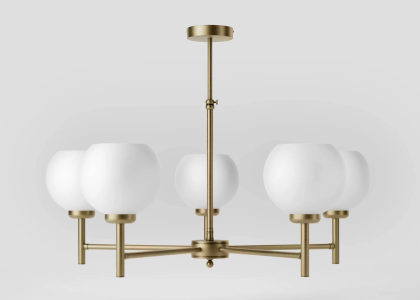
- Mid-Century Modern: Opal or milk glass pendants are a hallmark of mid-century modern design, offering a clean, sculptural look with diffused light.
- Subtle Sophistication: These types of pendants often blend more seamlessly into the background, providing functional light with a quiet elegance.
Textured Glass for Character
Beyond clear and frosted, there’s a whole world of textured glass—seeded, ribbed, smoked, or mercury glass—that can add unique character and visual interest to your dining area.
- Seeded Glass: This has tiny air bubbles trapped within the glass, giving it a handcrafted, slightly rustic feel. It adds a subtle sparkle to the light.
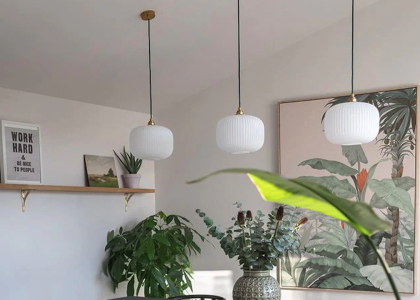
- Ribbed Glass: The vertical or horizontal ridges create a pleasing play of light and shadow, adding depth and a touch of vintage charm.
- Smoked Glass: Offers a darker, more dramatic look, often associated with luxurious or moody interiors. It filters the light, creating a softer, more atmospheric glow.
- Mercury Glass: With its reflective, antique silver finish, mercury glass adds a glamorous, often vintage-inspired touch, catching and reflecting light in an intriguing way.
Beyond the Single Pendant: Grouping and Arrangement
While a single pendant can make a statement, grouping multiple glass pendants can create a more dynamic and personalized lighting scheme, especially over longer dining tables or in larger rooms.
The Power of Three (or More)
An odd number of pendants—typically three—is often aesthetically pleasing when arranged in a row over a rectangular table. This creates a sense of balance and rhythm.
- Spacing is Key: Ensure even spacing between each pendant and from the ends of the table. Too close, and they look cluttered; too far apart, and you lose cohesion.
- Varying Heights: For an artful, less formal look, consider hanging pendants at slightly different heights. This adds visual interest and a custom feel, but ensure the lowest point doesn’t obstruct views.
Linear Pendants: A Modern Solution
For very long dining tables, a single linear pendant fixture, which often incorporates multiple light sources within one housing, can be a clean and impactful choice.
- Streamlined Look: These fixtures offer a very modern, minimalist aesthetic, consolidating multiple lights into one sleek unit.
- Even Illumination: Designed specifically for rectangular surfaces, they provide uniform light across the entire table.
A Cluster of Pendants: Dramatic Flair
If you have a high ceiling or a more open-plan dining area, a cluster of pendants, often with varying shapes or sizes, can create a stunning focal point.
- Artistic Statement: This approach turns your lighting into a piece of art, drawing the eye upwards and adding significant visual drama.
- Layered Lighting: A clustered arrangement can contribute to a more layered lighting scheme, where general ambient light is complemented by more focused task lighting over the table.
Maintenance and Practical Care
Glass pendants are beautiful, but they do require a little maintenance to keep them looking their best. This isn’t a deal-breaker, just something to be aware of.
Keeping it Clean
Dust and fingerprints are the main culprits when it comes to glass. Regular, gentle cleaning will maintain their sparkle.
- Dusting: A microfiber cloth or duster can handle everyday dust.
- Wiping: For smudges or fingerprints, a soft cloth dampened with a bit of glass cleaner (or just water with a tiny drop of dish soap) works well. Always spray cleaner onto your cloth, not directly onto the fixture, to avoid liquid getting into electrical components.
- Safety First: Always turn off the power to the fixture at the breaker before cleaning.
Bulb Replacement
Consider how easy it will be to change bulbs. Some intricate designs might make bulb access a little tricky, which is something to factor in if you’re not keen on fiddly tasks. Long-lasting LED bulbs can reduce the frequency of this chore.
Longevity and Durability
Glass, while beautiful, can be fragile. When handling, installing, or cleaning, always do so with care. That said, once installed, most glass pendants are quite durable and will last for many years with proper care.
Ultimately, choosing the right glass pendant lighting for your dining area isn’t just about making a purchase; it’s about making a considered decision that will directly influence the experience of sharing meals in your home. It’s about creating a space that feels right for you, where every detail, down to the quality of light, contributes to comfort and enjoyment. It’s a practical investment in creating a better atmosphere for everyday life and special occasions alike.