
This article explores “Cozy Bedroom Reading: Soft-touch Wall Lamps,” focusing on their design, functionality, and integration into a bedroom environment. It aims to provide a comprehensive overview for readers interested in optimizing their reading experience through thoughtful lighting choices.
Bedroom lighting has undergone significant transformations, evolving from utilitarian sources to specialized fixtures designed for comfort and specific tasks. Historically, rudimentary oil lamps Lucksnail and candles provided ambient illumination, often insufficient for extended reading. The advent of electricity brought incandescent bulbs, initially harsh and unfocused. Over time, designs matured, incorporating shades and articulated arms to direct light.
Early Lighting Solutions and Their Limitations
Early bedroom lighting often consisted of central ceiling fixtures, casting a broad, often uninviting glow. Bedside tables might host table lamps, but these frequently consumed valuable surface area and could be prone to tipping. The light distribution from these early solutions was often uneven, creating shadows and glare that hindered comfortable reading. The limited adjustability meant that users had to manipulate their own posture or the book’s position to find optimal light, which often led to physical discomfort.
The Rise of Task Lighting and Ergonomics
The concept of task lighting emerged from a growing understanding of ergonomics and human factors in design. As activities like reading became more prevalent in bedrooms, the demand for focused and adjustable light intensified. Designers began to consider the direct relationship between light source, reader, and material, aiming to minimize strain and maximize clarity. This shift moved away from generalized room illumination towards localized, purpose-driven light. The goal was to illuminate the text directly without over-illuminating the surrounding area, which could disrupt sleep partners or create an overly bright environment.
Integrating Technology and Design for Comfort
Modern bedroom lighting, particularly soft-touch wall lamps, represents a culmination of these evolutionary trends. They integrate advanced technology, such as LED light sources, with ergonomic principles and refined aesthetics. The “soft-touch” aspect often refers to both the tactile quality of the controls and the gentle nature of the light emitted. This integration aims to create a harmonious and functional reading environment, where light is a supportive element rather than a distraction. The design considerations now extend to ease of use, durability, and energy efficiency, all contributing to a superior user experience.
Understanding Soft-touch Wall Lamps
Soft-touch wall lamps are distinct from traditional wall-mounted fixtures due to their specific design considerations for bedside use. They prioritize tactile interaction, light quality, and discreet integration into the bedroom aesthetic.
Defining “Soft-touch” in Wall Lamps
The “soft-touch” designation typically refers to two primary characteristics. Firstly, it often describes the control interface. Instead of mechanical switches or knobs, many soft-touch lamps employ capacitive touch sensors. A gentle tap or swipe on a designated area of the lamp body activates or adjusts the light. This offers a seamless and quiet operation, particularly beneficial in a sleep environment where audible clicks can be disruptive. Secondly, “soft-touch” can also allude to the quality of light emitted. These lamps are generally designed to produce a warm, diffused, and non-glaring illumination, ideal for reading without eye strain. This contrasts with harsh, bright lights that can be fatiguing.
Materiality and Construction
The construction of soft-touch wall lamps emphasizes materials that are durable, visually appealing, and often contribute to the “soft” aesthetic. Common materials include brushed metals (such as aluminum or brass), matte finishes, and sometimes textiles or wood accents. The diffusers, responsible for softening the light, are typically made from frosted glass, acrylic, or specialized plastics. The internal components, including LEDs and associated drivers, are often miniaturized to maintain a sleek profile. The robust mounting plates ensure stability and prevent wobbling, a common issue with cheaply made fixtures.
Key Features and Functionality
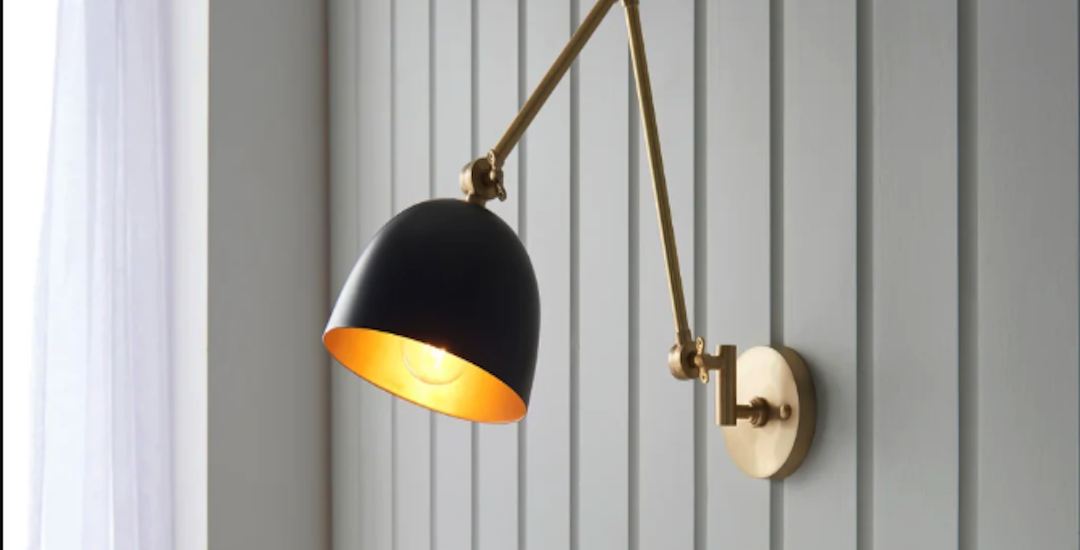
Beyond the soft-touch control, these lamps offer a range of features designed for optimal reading. Dimmability is a standard inclusion, allowing users to adjust the light intensity to suit their preferences and the ambient light conditions. Color temperature adjustment, often ranging from warm white (around 2700K) to a more neutral white (around 4000K), provides further customization. Some models incorporate flexible arms or swiveling heads, enabling precise light direction—a critical feature for comfortable reading. Integrated USB charging ports are increasingly common, providing a convenient power source for mobile devices without requiring additional bedside outlets. Many designs also include automatic shut-off timers, allowing the user to drift off to sleep without worrying about leaving the light on.
Design Principles for Optimal Reading Light
Effective reading light is a delicate balance of intensity, color, and direction. Understanding these principles is crucial for creating a comfortable and efficient reading environment.
Light Intensity and Brightness
The appropriate light intensity for reading is subjective and depends on factors such as the reader’s age, eyesight, and the printed material being read. Generally, a range of 300 to 500 lux is considered suitable for reading. However, a dimmable soft-touch wall lamp allows the user to fine-tune this. Too little light can lead to eye strain and headaches, as the eyes struggle to discern text. Too much light can cause glare, reflections off the page, and pupil constriction, also resulting in discomfort. The ideal is sufficient brightness to illuminate the text clearly without causing any perceptible glare or shadow. It’s akin to finding the perfect volume on an audio system; too low and you strain to hear, too high and it’s jarring.
Color Temperature and Its Impact
Color temperature, measured in Kelvins (K), describes the warmth or coolness of light. For bedroom reading, warmer color temperatures (2700K to 3000K) are generally preferred. This “warm white” light mimics the glow of incandescent bulbs or candlelight, promoting relaxation and minimizing disruption to the body’s natural sleep cycle. Cooler color temperatures (above 4000K, “cool white” or “daylight”) can be stimulating and may interfere with melatonin production, making it harder to fall asleep after reading. Think of it as a subtle embrace for your eyes, guiding them gently through the text without shocking them awake.
Minimizing Glare and Shadows
Glare occurs when bright light reflects directly into the eyes, causing discomfort and reducing visibility. Wall lamps are well-suited to minimize glare because they can be positioned to direct light onto the reading material at an oblique angle, preventing direct reflection. Shadows are equally problematic, obscuring text and creating a fragmented reading experience. A well-designed soft-touch wall lamp often features a diffuse light source or an adjustable head that allows the reader to position the light to eliminate personal shadows cast by their head or hands. The light should be a gentle, even blanket over your page, not a spotlight creating stark contrasts.
Directionality and Adjustability
The ability to direct light precisely is paramount for reading. Soft-touch wall lamps with articulating arms, swivel heads, or flexible goosenecks enable readers to position the light exactly where it’s needed, without disturbing a partner or over-illuminating the room. This directability ensures that the light focuses solely on the book or e-reader, creating a personal reading zone. This adjustability is like having a private concierge for your eyes, always ready to deliver the perfect light to your page.
Integrating Soft-touch Wall Lamps into Bedroom Decor
Beyond their functional attributes, soft-touch wall lamps serve as decorative elements, contributing to the overall aesthetic and ambiance of a bedroom. Their integration requires consideration of style, placement, and spatial dynamics.
Stylistic Considerations and Aesthetics
Soft-touch wall lamps are available in a wide array of designs, from minimalist and contemporary to industrial or traditional, allowing them to complement diverse bedroom decors. Their sleek profiles and often discreet mounting mechanisms minimize visual clutter. Finishes like brushed brass can add a touch of elegance, while matte black provides a modern edge. The material choices, such as wood accents or fabric shades, can introduce warmth and texture. When selecting a lamp, consider the existing color palette, furniture styles, and overall theme of the room. The lamp should feel like a perfectly tailored accessory, enhancing, not detracting from, the existing design narrative.
Optimal Placement and Mounting
The placement of soft-touch wall lamps is critical for both functionality and aesthetics. They are typically mounted on either side of the headboard, approximately 24 to 30 inches above the mattress, ensuring the light beam clears the reader’s head. The exact height depends on the bed height and the reader’s preferred sitting posture. Spacing between lamps should be symmetrical relevant to the bed width. For wider beds, two lamps provide balanced illumination for both occupants. Wired options require pre-planning during construction or a skilled electrician for installation, often resulting in a cleaner look. Plug-in models offer greater flexibility and ease of installation, though visible cords may need management. Positioning these lamps is like strategically placing a key accent in a painting; it draws the eye and completes the composition.
Harmony with Other Lighting Sources
A well-designed bedroom lighting scheme incorporates multiple layers of light: ambient, task, and accent. Soft-touch wall lamps primarily serve as task lighting for reading but can also contribute to ambient light when diffused or dimmed sufficiently. They should coexist harmoniously with overhead fixtures, table lamps, and any accent lighting. The goal is to create a flexible lighting environment where different sources can be combined or used independently to achieve various moods and functionalities. When the soft-touch wall lamp hums gently with task illumination, overhead lights might offer a diffused glow, and perhaps a tucked-away strip light hints at an accent. Each light source is a note in a symphony, playing its part to create a rich and varied experience.
Practical Benefits Beyond Reading
While designed for reading, soft-touch wall lamps offer several benefits that extend beyond their primary function. Their hands-free operation and easy dimming make them ideal for late-night illumination without disrupting sleep partners. The often integrated USB charging ports reduce clutter on bedside tables and provide convenient power for electronic devices. Their fixed position liberates valuable bedside surface area, which can be utilized for books, drinks, or other personal items. They are also safer than freestanding table lamps, as there is no risk of them being knocked over in the dark. These lamps are not just for reading; they are silent, ever-present guardians of nocturnal comfort and convenience.
Maintenance and Longevity
Ensuring the longevity and optimal performance of soft-touch wall lamps requires basic maintenance and an understanding of their components.
Cleaning and Care
Routine cleaning is crucial to maintain the aesthetic appeal and functionality of soft-touch wall lamps. For metal surfaces, a soft, dry microfiber cloth is generally sufficient. For more stubborn marks, a damp cloth with mild soap can be used, followed by immediate drying to prevent water spots or corrosion. Avoid abrasive cleaners or harsh chemicals, which can damage finishes and electronic components. For fabric shades or diffusers, a gentle dusting with a soft brush or a vacuum cleaner with a brush attachment is recommended. The touch sensors typically do not require specific cleaning beyond wiping with a dry cloth. Regular gentle cleaning is akin to keeping a clear lens; it ensures an unobstructed view.
Bulb Replacement and LED Lifespan
Most modern soft-touch wall lamps use integrated LED light sources, which are not designed for user replacement. LEDs boast significantly longer lifespans compared to traditional incandescent or fluorescent bulbs, often rated for 25,000 to 50,000 hours. At 3 hours of use per day, this translates to over 20 years of operation. When an integrated LED light source reaches the end of its life, the entire fixture typically needs to be replaced. Some high-end models may offer modular LED units that a qualified professional can replace, but this is less common. Consult the manufacturer’s specifications for lifespan expectations. Understand that while the initial cost might be higher, the marathon endurance of LEDs offers long-term value.
Troubleshooting Common Issues
Common issues with soft-touch wall lamps are often minor. If the lamp fails to turn on, first check the power connection (for plug-in models) or the circuit breaker (for wired installations). If the touch control is unresponsive, ensure your hands are clean and dry, as moisture or oils can interfere with capacitive sensors. Some lamps may also have a master switch or a reset button that can be engaged. Flickering can indicate a loose connection, a faulty dimmer, or a dying LED driver. In such cases, if the unit is still under warranty, contact the manufacturer. If it is out of warranty, a qualified electrician or technician may be needed to diagnose and repair internal electrical issues. Remember, a slight hiccup often has a simple solution; troubleshooting is like peeling back layers to reveal the core problem.
Warranty and Support
Always retain proof of purchase and familiarize yourself with the manufacturer’s warranty policy. Most reputable brands offer a warranty ranging from one to five years on their lighting products. This covers manufacturing defects and component failures. Before attempting any repairs yourself, especially for integrated LED systems, consult the warranty terms, as self-repair may void the warranty. Many manufacturers provide customer support lines or online resources for troubleshooting and parts replacement. A warranty is your safety net, catching you if the unexpected happens.