
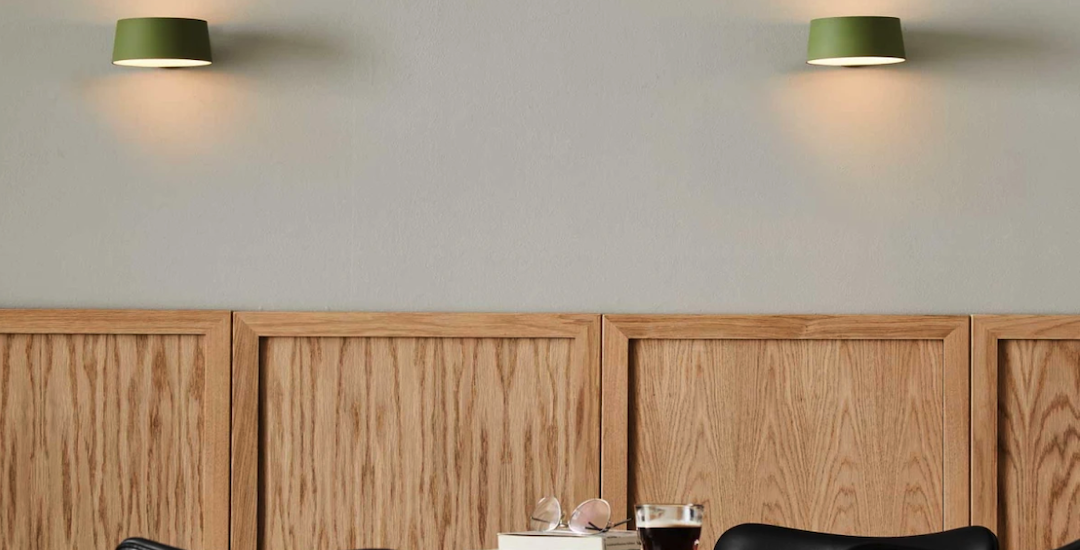
When it comes to creating a warm and inviting dining space, the right lighting makes a huge difference. Wall lamps, often overlooked in favor of chandeliers or pendants, offer a fantastic way to add layers of light, create ambiance, and even make your room feel more intimate. They can highlight architectural features, illuminate artwork, or simply provide a gentle glow that complements your main lighting, transforming an ordinary meal into something special.
Why Wall Lamps? More Than Just Decoration
Wall lamps aren’t just there to look pretty; they serve a practical purpose in a dining room. They can alleviate harsh shadows that a single overhead light Looou might cast, and they’re particularly useful if your dining table isn’t centered perfectly under your main light fixture. By spreading light horizontally, they make the room feel larger and more open while still contributing to that cozy atmosphere we’re aiming for. Plus, many wall lamps are dimmable, offering ultimate flexibility for various occasions, from a lively dinner party to a quiet, romantic evening.
The style of your wall lamps should flow with your existing decor. Think about the overall vibe of your dining room. Is it modern and minimalist, or perhaps more traditional and ornate? The lamps you select should feel like a natural extension of that aesthetic.
Modern and Minimalist Approaches
For a contemporary dining room, sleek and understated wall lamps work best. Think clean lines, geometric shapes, and materials like brushed metal or matte finishes.
Integrated LED Designs
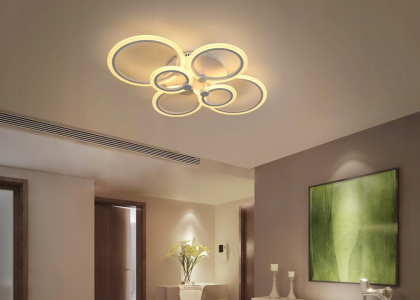
Many modern wall lamps feature integrated LED lighting, offering a slim profile and energy efficiency. These often provide a diffused light that washes the wall, creating a subtle glow without any harsh glare. Look for designs that are almost art pieces in themselves, adding a sculptural element to your wall.
Adjustable Arms and Pivoting Heads
Functionality often plays a key role in modern design. Wall lamps with adjustable arms or pivoting heads allow you to direct the light precisely where you need it. This can be great for highlighting a piece of art or for providing task lighting if your dining area doubles as a workspace.
Traditional and Classic Selections
If your dining room leans towards a more classic or traditional style, there are plenty of wall lamp options that complement these aesthetics.
Sconces with Fabric Shades
Ornate sconces with fabric shades—think pleated silk or linen—can add a touch of old-world charm. These types of lamps often provide a softer, more diffused light, contributing to a warm and inviting atmosphere. Look for finishes like distressed bronze, antique brass, or seeded glass for an authentic feel.
Candle-Style Lamps
For a truly classic look, consider wall lamps designed to mimic candles. While they use electric bulbs, their aesthetic evokes the traditional elegance of candlelight, making them perfect for creating a warm, intimate setting. These often come with crystal accents or intricate metalwork.
Rustic and Farmhouse Charm
For a dining room with rustic or farmhouse appeal, wall lamps that incorporate natural materials and an industrial touch can fit right in.
Barn-Style Sconces
These iconic fixtures, often made from metal with a downward-facing shade, provide a focused light that can be very effective over a buffet or a serving area. Finishes like oil-rubbed bronze or galvanized steel add to their authentic farmhouse feel.
Woven or Natural Fiber Shades
Lamps with shades made from rattan, wicker, or even wood can bring a natural, earthy texture to your space. These often cast interesting patterns of light and shadow, adding depth and warmth. They pair beautifully with exposed wood beams or shiplap walls.
Placement Matters: Where To Put Your Wall Lamps
The strategic placement of your wall lamps is just as important as their style. Incorrect placement can lead to uneven lighting or glare, defeating the purpose of creating a cozy space.
Symmetrically Around the Room
A common and effective approach is to place wall lamps symmetrically on opposite walls. This creates a balanced look and distributes light evenly throughout the room.
Highlighting Architectural Features
If your dining room has alcoves, a fireplace, or built-in shelving, placing wall lamps on either side can draw attention to these features, making them focal points. This strategy not only provides light but also enhances the room’s visual interest.
Along Longer Walls
For longer dining rooms, placing multiple wall lamps at regular intervals along the walls can break up the length, prevent dark spots, and create a sense of continuous illumination. Ensure the spacing is consistent to maintain a clean aesthetic.
Accenting Artwork or Mirrors
Wall lamps are excellent for illuminating artwork or decorative mirrors, turning them into illuminated display pieces.
Picture Lights
Technically a type of wall lamp, picture lights are specifically designed to be mounted above artwork, casting a gentle, even light over the piece. They come in various finishes and styles to match your frame and decor.
Sconces Beside Mirrors
Placing a sconce on either side of a large mirror can not only enhance the mirror’s reflective qualities but also add a decorative element. The light bouncing off the mirror will further brighten the room, contributing to that desired warm glow.
Over Sideboards or Buffets
These areas often benefit from dedicated lighting, especially when they are used for serving food or displaying decorative items.
Focused Task Lighting
Wall lamps here can provide focused task lighting, making it easier to see what you’re doing when serving. This also adds another layer of light separate from your main dining area illumination.
Decorative Illumination
Even when not actively serving, a pair of wall lamps over a sideboard can highlight vases, decorative objects, or a framed collection, adding visual appeal to the area.
Types of Light and How They Affect Ambiance
The kind of light your wall lamps emit—its warmth, brightness, and direction—significantly impacts the overall feeling of your dining room. Don’t underestimate the power of the right bulb.
Warm vs. Cool Light
This refers to the color temperature of the light, measured in Kelvins (K).
Soft White (2700K – 3000K)
For a cozy dining room, soft white light is your best friend. It emits a warm, inviting glow, similar to incandescent bulbs, and enhances natural wood tones, fabrics, and skin. This light creates a relaxing and intimate atmosphere perfect for dining.
Avoiding Cool White (4000K+)
Cool white or daylight bulbs, typically around 4000K or higher, can make a space feel stark, sterile, and less inviting. While good for task-focused areas like kitchens or offices, they are generally not suitable for creating a warm dining room ambiance. They can make food look less appealing and create a harsher overall feeling.
Dimmable Options and Controls
The ability to adjust the light output is crucial for versatility and creating different moods.
Dimmer Switches
Installing dimmer switches on your wall lamps allows you to vary the brightness depending on the occasion. Bright for cleaning or casual meals, dim for romantic dinners or cocktails. This flexibility is key to mastering ambiance.
Smart Lighting Integration
For modern homes, smart lighting systems allow you to control your wall lamps via an app or voice commands. This offers even more precise control over brightness and color temperature, and you can even set schedules or scenes for different dining experiences.
Up-lighting, Down-lighting, and Diffused Light
The direction of light affects how it interacts with your space.
Up-lighting
Wall lamps that direct light upwards can make ceilings appear higher and create a more expansive feel. This type of lighting often provides a softer, indirect glow, reducing glare.
Down-lighting
Lamps that direct light downwards create a more focused beam, which can be useful for task lighting or highlighting a feature below the lamp. Be mindful of potential shadows or glare on the table if using these directly over dining areas.
Diffused Light
Many wall lamps feature shades that diffuse light in multiple directions, offering a soft, ambient glow without harsh shadows. This is often the most suitable option for general dining room ambiance, providing an even spread of light.
Material Choices and Their Impact
The material of your wall lamps contributes not only to their aesthetic but also to how they distribute light and integrate with your existing decor.
Metals: Brass, Bronze, Wrought Iron
Metals offer durability and a wide range of finishes that can complement various styles.
Antique Brass and Polished Nickel
These finishes can add a touch of sophistication and warmth. Antique brass often tarnishes beautifully over time, adding character, while polished nickel provides a brighter, more contemporary shine. Both reflect light effectively.
Oil-Rubbed Bronze and Matte Black
For a more rustic, industrial, or minimalist look, oil-rubbed bronze and matte black finishes are excellent choices. They absorb light creating a moody, dramatic effect and pair well with natural wood and exposed brick.
Wrought Iron for Old-World Charm
Heavier wrought iron fixtures evoke a medieval or traditional European aesthetic. They are often intricately designed and can be a strong statement piece, especially in larger dining rooms.
Glass: Frosted, Seeded, Stained
Glass elements in wall lamps can diffuse light in interesting ways and add a decorative touch.
Frosted or Etched Glass
These types of glass subtly diffuse the light, reducing glare and creating a soft, even glow. They are great for general ambient lighting and can soften the appearance of a bulb.
Seeded or Textured Glass
Glass with small bubbles or a textured surface adds visual interest and can create unique light patterns on the wall. This can contribute to a more organic or whimsical feel in the room.
Stained or Art Glass
For a truly unique and artistic touch, stained glass wall lamps can cast colorful patterns and add a jewel-like quality to your dining room. These often work best as accent pieces rather than primary light sources.
Natural Materials: Wood, Rattan, Fabric
Incorporating natural materials can bring warmth, texture, and an earthy element to your dining space.
Wood Accents
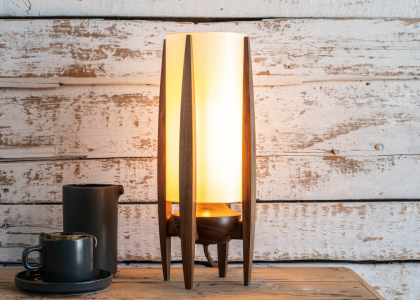
Lamps featuring wood an be a great way to tie into existing wooden furniture or flooring. Various wood tones can range from light and airy to rich and deep, offering versatility.
Rattan and Wicker Shades
These materials offer a bohemian or coastal vibe and cast interesting, shadowed light patterns. They add an organic texture and can make a room feel more relaxed and inviting.
Fabric Shades (Linen, Silk, Cotton)
As mentioned earlier, fabric shades are excellent for diffusing light softly. Linen offers a natural, textured look, while silk can elevate the elegance. Cotton shades are versatile and come in a wide range of colors and patterns.
Practical Considerations and Installation Tips
Beyond aesthetics, there are practical aspects to consider to ensure your wall lamps are functional and safely installed.
Wiring and Installation
Unless you’re comfortable with electrical work, it’s best to hire a qualified electrician for installation.
Hardwired vs. Plug-in Options
Most permanent wall lamps are hardwired, meaning they connect directly to your household electrical system inside the wall. If you don’t want to deal with hardwiring or want more flexibility, there are plug-in wall lamps that simply plug into an outlet. These often have a visible cord, but some designs incorporate this into their aesthetic or offer cord covers.
Height and Eye Level
A general rule of thumb is to install wall lamps so the bottom of the fixture is roughly at eye level, around 60-70 inches from the floor. This helps prevent glare and ensures the light is distributed effectively. However, this can vary depending on the specific lamp and the overall height of your room. Always test the height before final installation.
Bulb Types and Energy Efficiency
The type of bulb you choose affects light quality, energy consumption, and longevity.
LED Bulbs
LEDs are generally the most energy-efficient and long-lasting option. They come in various color temperatures and brightness levels. Many modern wall lamps have integrated LEDs meaning the bulbs are built right into the fixture.
Halogen Bulbs
While less efficient than LEDs, halogen bulbs offer excellent color rendering and a crisp, bright light. They are often dimmable and popular in fixtures that require a specific bulb shape.
Dimmer Compatibility
Always ensure that your chosen bulbs are compatible with dimmer switches if you plan to use them. Not all LED bulbs are dimmable, so check the packaging. Using non-dimmable bulbs on a dimmer can cause flickering or damage the bulb.
Maintenance and Cleaning
Regular maintenance keeps your wall lamps looking their best and ensures optimal light output.
Dusting and Wiping Regularly
Dust can accumulate on shades and bulbs, dimming the light and making the fixture look dull. A quick wipe with a dry cloth or a feather duster can keep them clean.
Cleaning Specific Materials
Glass shades can be wiped with a damp cloth and mild cleaner. Fabric shades may require gentle vacuuming or spot cleaning. Metal finishes can be polished with appropriate cleaners to maintain their luster or allowed to develop a natural patina if that’s your aesthetic preference.
By carefully considering all these elements, you can select and place wall lamps that not only illuminate your dining room but also envelop it in a comforting warmth, making every meal a truly inviting experience. The right wall lamps are an investment in the atmosphere of your home, turning a simple space into a haven of hospitality.