
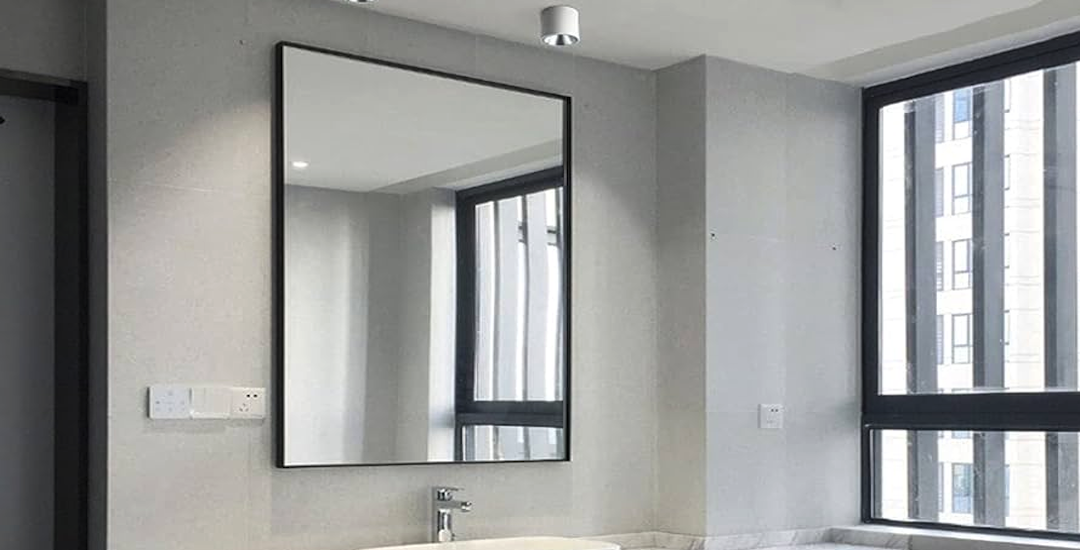
When it comes to bathroom lighting, “waterproof” isn’t just a marketing buzzword; it’s a practical necessity. A waterproof bathroom downlight is, quite simply, a light fixture designed and rated to safely operate in environments where it will be exposed to moisture, steam, and splashes without short-circuiting, corroding, or becoming a safety hazard. These aren’t your typical living room downlights; they’re built with specialized seals, materials, and electrical safeguarding to ensure durability and peace of mind in one of your home’s wettest rooms.
Why Waterproof Matters in the Bathroom
Bathrooms are unique spaces in terms of their environmental challenges. Every shower creates a steamy atmosphere, and splashes are an everyday occurrence. Regular light Looou fixtures aren’t designed to withstand this. Over time, moisture can seep into conventional downlights, leading to electrical shorts, rust, flickering lights, or even dangerous situations. Waterproof downlights prevent all of these issues, offering a safe and long-lasting lighting solution specifically for bathrooms.
When you’re looking at waterproof bathroom downlights, you’ll inevitably encounter something called an “IP rating.” This isn’t just jargon; it’s a crucial standard that tells you exactly how protected a fixture is against solids and liquids. Think of it as a universal language for durability.
Deciphering the Numbers
An IP rating always consists of two digits. The first digit indicates protection against solid objects (like dust), and the second digit indicates protection against liquids (like water).
First Digit: Solid Object Protection
- 0: No protection.
- 1: Protected against solid objects over 50mm (e.g., accidental touch by hands).
- 2: Protected against solid objects over 12.5mm (e.g., fingers).
- 3: Protected against solid objects over 2.5mm (e.g., tools, thick wires).
- 4: Protected against solid objects over 1mm (e.g., most wires, screws).
- 5: Dust protected (ingress of dust is not entirely prevented but won’t interfere with operation).
- 6: Dust tight (no ingress of dust).
Second Digit: Liquid Protection
This is the one that’s most important for bathrooms.
- 0: No protection.
- 1: Protected against vertically falling water drops (e.g., condensation).
- 2: Protected against vertically falling water drops when tilted up to 15 degrees.
- 3: Protected against spraying water (e.g., light spray).
- 4: Protected against splashing water from any direction (e.g., splashes from a faucet).
- 5: Protected against jets of water (e.g., from a nozzle, low-pressure shower).
- 6: Protected against powerful jets of water (e.g., from a high-pressure hose).
- 7: Protected against immersion in water up to 1 meter for 30 minutes.
- 8: Protected against continuous immersion in water under conditions specified by the manufacturer (e.g., deep submersion).
Bathroom Zones and Required IP Ratings
Building regulations often divide bathrooms into different “zones” based on their proximity to water sources. This dictates the minimum IP rating required for electrical fixtures in each zone.
Zone 0: Inside the Bath or Shower Tray
- Requirement: IPX7 (or higher).
- Explanation: This is the most demanding zone, meaning the fixture must be able to withstand complete, albeit temporary, submersion. Think jets in a spa bath or lights directly within a wet room floor.
Zone 1: Directly Above the Bath or Shower
- Requirement: IPX4 (or higher).
- Explanation: This covers the area directly above the shower or bath up to 2.25 meters from the floor. Fixtures here need protection against splashes and spray.
Zone 2: Adjacent to Zone 1 and Around Sinks
- Requirement: IPX4 (or higher).
- Explanation: This zone extends 0.6 meters horizontally from Zone 1 and 0.6 meters around a washbasin. It’s also 2.25 meters from the floor. Again, splash protection is key.
Outside Zones: The Rest of the Bathroom
- Requirement: No formal IP rating requirement, but still advisable.
- Explanation: While not legally mandated, installing IP rated luminaires (IP20 or above) is still a good idea due to general humidity and accidental splashes. A general bathroom downlight usually falls into this category for the main ceiling.
Knowing these zones and IP ratings helps you select the right downlight for the right spot, ensuring both safety and compliance. Don’t guess; check the ratings.
Types of Waterproof Downlights and Their Features
Not all waterproof downlights are created equal. They come with various features and designs to suit different needs and aesthetics. Understanding these options will help you make an informed decision for your bathroom’s specific requirements.
Integrated LED vs. GU10/MR16 Replaceable Bulbs
The core light source is a major differentiator.
Integrated LED Downlights
- Description: The LED chip is built directly into the fixture and is not designed to be replaced by the user.
- Pros:
- Slimmer Profile: Often much shallower, making them ideal for ceilings with limited void space.
- Better Sealing: The integrated design often means superior waterproofing (higher IP ratings) because there are fewer points of ingress for moisture.
- Energy Efficiency: Generally more efficient and longer-lasting than traditional bulbs.
- Consistent Light Quality: Ensures the specific light color and output are maintained throughout the fixture’s life.
- Cons:
- Non-Replaceable: If the LED fails, the entire fixture usually needs to be replaced (though quality integrated LEDs have very long lifespans).
- Higher Upfront Cost: Can be pricier initially.
- Best For: Modern bathrooms, wet rooms, high-humidity areas, and situations where maximum longevity and minimal maintenance are desired.
GU10/MR16 Compatible Downlights
- Description: These downlight fittings are designed to accept standard GU10 (mains voltage) or MR16 (low voltage, requires a transformer) LED bulbs.
- Pros:
- Bulb Replaceability: If the bulb fails, you only need to replace the bulb, not the whole fixture.
- Flexibility: You can choose different bulb wattages, color temperatures, and beam angles to customize your lighting.
- Lower Upfront Cost (sometimes): The fixture itself might be cheaper, allowing you to upgrade bulbs later.
- Cons:
- More Complex Sealing: Achieving high IP ratings with replaceable bulbs requires careful design, often involving rubber gaskets and seals around the bulb.
- Bulb Compatibility: Need to ensure the replacement bulb is also rated for bathroom use if exposed.
- Deeper Profile: The housing for the bulb and its connections often makes them deeper than integrated LEDs.
- Best For: Those who prefer flexibility in bulb choice, want to save on initial fixture cost, or wish to easily change light characteristics without replacing the entire unit.
Dimmable Options and Smart Features
Modern downlights offer more than just on/off functionality.
Dimmable Downlights
- Description: Allows you to adjust the brightness of the light.
- Importance in Bathrooms: Creates different moods – bright for grooming, soft for relaxation in a bath.
- Considerations: Ensure both the downlight fixture and the bulb (if replaceable) are dimmable, and that you use a compatible dimmer switch. Some integrated LEDs might require specific dimming protocols (e.g., phase-cut, 0-10V, DALI).
Smart Downlights
- Description: Downlights that can be controlled via an app, voice assistant, or smart home hub.
- Features: Color temperature tuning (cool white to warm white), RGB color changing, scheduling, remote control.
- Considerations: Often integrated LED designs. Ensure compatibility with your existing smart home ecosystem (e.g., Philips Hue, Google Home, Alexa). Can add a layer of convenience and luxury.
Fire-Rated Downlights
This is a critical safety feature often overlooked.
Importance of Fire Rating
- Description: When you cut a hole in your ceiling for a downlight, you compromise the ceiling’s fire resistance, especially if it’s a floor above. A fire-rated downlight is designed with an intumescent (swelling when heated) material that seals the hole in the event of a fire, maintaining the ceiling’s integrity for a specified period (e.g., 30, 60, or 90 minutes).
- Building Regulations: Fire rating is often a requirement in new builds or renovations, especially between floors, to slow the spread of fire.
- Combined with Waterproofing: You can find downlights that are both fire-rated and IP-rated, offering comprehensive safety and durability. Always check for this if your ceiling is a fire barrier.
The combination of the right IP rating, light source, and optional features like dimming and fire rating ensures you get a durable, safe, and aesthetically pleasing lighting solution for your bathroom.
Installation and Maintenance Tips for Longevity
Proper installation and a little bit of ongoing care can significantly extend the life of your waterproof bathroom downlights, ensuring they remain safe and functional for years. This isn’t just about plugging them in; it’s about making sure they’re integrated correctly into your bathroom’s environment.
Professional Installation: A Smart Investment
While some DIY enthusiasts might feel confident, installing electrical fixtures in wet areas carries specific risks.
Why Hire an Electrician?
- Safety First: Electrical work in bathrooms is subject to strict building codes and safety regulations (e.g., Part P in the UK). A qualified electrician understands these and ensures your installation meets all legal and safety standards.
- Correct Wiring and Earthing: They’ll ensure proper wiring, suitable cable types, and correct earthing to prevent electrical hazards, especially in a moist environment.
- IP Rating Integrity: An electrician will know how to install the downlight without compromising its IP rating. For example, ensuring seals are correctly seated and no moisture pathways are created during installation.
- Transformer Placement (for MR16): If you’re using MR16 downlights, the transformer needs to be placed in an accessible, dry area—not directly in the ceiling cavity if it’s prone to moisture.
- Dimmers and Switches: They’ll ensure appropriate dimmers and switches are used, particularly important for integrated LEDs or systems requiring specific dimming protocols.
- Warranty Preservation: Many manufacturers’ warranties are only valid if the product is installed by a qualified professional.
What to Check During Installation
If you are overseeing the installation:
- Correct IP Rating for Zone: Double-check that the downlight chosen has the appropriate IP rating for its specific bathroom zone.
- Adequate Ventilation: Ensure there’s enough space around the downlight for heat dissipation, particularly for integrated LEDs, to prevent premature failure.
- Vapor Barriers: If your ceiling has a vapor barrier (often in insulated spaces), ensure the downlight and its housing do not compromise this barrier, as it’s crucial for preventing moisture migration into the ceiling cavity. Some downlights come with integrated vapor barriers.
Simple Maintenance for Long-Term Performance
Waterproof downlights are designed to be durable, but a bit of care goes a long way.
Regular Cleaning
- Gentle Wipe Down: Periodically wipe down the visible parts of the downlight with a soft, damp cloth. Avoid harsh abrasive cleaners or chemicals, which can damage seals or finishes.
- Clear Diffusers: If the downlight has a frosted or clear diffuser, keep it clean to ensure maximum light output and an even spread.
Inspecting Seals (Occasionally)
- Visual Check: Over many years, rubber seals can degrade. Every few years, or if you notice any condensation inside the fixture, a quick visual inspection of the external seals (if accessible and safe to do so) can be beneficial.
- No Disassembly: Do not attempt to disassemble integrated LED fixtures. Their seals are typically factory-fitted and not user-serviceable.
Addressing Flickering or Failure
- Replaceable Bulbs: If you have GU10/MR16 downlights and a bulb flickers or fails, try replacing just the bulb first. Ensure the new bulb is also suitable for bathroom use.
- Integrated Units: If an integrated LED unit flickers or fails, it generally means the unit needs to be replaced. Contact your electrician.
- Check Connections: If multiple lights in a circuit are affected, it might indicate a broader electrical issue that requires professional attention.
Ventilation is Key for the Bathroom Itself
While not directly about the downlight, good bathroom ventilation helps reduce overall humidity, which indirectly benefits all fixtures, including your lighting. An extractor fan running during and after showers will significantly cut down on the moisture load.
By taking these steps, from professional installation to basic maintenance, you’re not just installing a light; you’re investing in a safe, reliable, and long-lasting lighting solution for your bathroom.
Design Considerations and Aesthetic Appeal
While functionality and safety are paramount for bathroom downlights, aesthetics play a crucial role in creating the desired ambiance. Waterproof downlights have evolved significantly, moving beyond purely utilitarian designs to offer stylish options that complement any bathroom décor.
Finish and Bezel Options
The visible trim of your downlight can significantly impact the overall look.
Material and Color
- White: The most common option, blending seamlessly with white ceilings for a minimalist look.
- Chrome/Polished Steel: Adds a sleek, modern touch, often matching other bathroom fixtures like taps and showerheads.
- Brushed Chrome/Satin Nickel: Offers a softer, more contemporary metallic finish than polished chrome, reducing glare.
- Black: A bold, dramatic choice that can create stark contrasts or a sophisticated, industrial feel, especially popular in modern designs.
- Brass/Gold: Brings a touch of vintage elegance or luxury, suitable for traditional or high-end contemporary bathrooms.
Bezel Style
- Recessed: The light source is set back slightly from the ceiling, reducing glare and creating a cleaner visual line.
- Flush: The bezel sits flush with the ceiling, offering a streamlined, unobtrusive look.
- Minimal/Bezelless: Some designs aim for an almost invisible appearance, with the light aperture being the primary visible element in the ceiling. This creates a very clean, architectural feel.
Beam Angle and Light Distribution
The way light is cast from the downlight impacts both functionality and mood.
Narrow Beam (e.g., 30-45 degrees)
- Use Cases: Task lighting, highlighting specific features (e.g., artwork, a niche), or creating dramatic accents.
- Effect: Produces more focused pools of light. You’d typically need more of these to adequately light a space.
Wide Beam (e.g., 60-90 degrees)
- Use Cases: General ambient lighting, evenly illuminating a larger area.
- Effect: Spreads light more broadly, reducing shadows and creating a more uniform wash. Fewer downlights might be needed compared to narrow beams for general illumination.
Adjustable/Tilting Downlights
- Benefit: Some waterproof downlights offer a tilting or swivel function, allowing you to direct the light exactly where needed. This is particularly useful for illuminating vanity areas, shower walls, or specific architectural features.
Color Temperature: Setting the Mood
The “color” of the light, measured in Kelvins (K), plays a huge role in the atmosphere of your bathroom.
Warm White (2700K-3000K)
- Feeling: Cozy, inviting, relaxed.
- Use Cases: Ideal for creating a spa-like or luxurious ambiance, especially around a freestanding tub or for evening relaxation. Less ideal for detailed grooming.
Cool White (4000K-5000K)
- Feeling: Crisp, clean, energetic.
- Use Cases: Excellent for task lighting, particularly around mirrors for applying makeup or shaving, as it provides good color rendition and reduces shadows. Can feel a bit harsh for relaxing spaces.
Natural White (3500K)
- Feeling: Balanced, neutral.
- Use Cases: A good compromise if you want a single color temperature for both grooming and general use, offering a middle ground between warm and cool.
Tunable White and RGB Options
- Tunable White: Allows you to adjust the color temperature from warm to cool, offering maximum flexibility throughout the day or for different activities.
- RGB (Red, Green, Blue): Also allows for full-color spectrum changes, great for creating mood lighting or accent effects, though less commonly used for primary bathroom illumination.
Placement Strategies
Careful placement helps maximize both light and aesthetics.
- General Illumination: Spaced evenly across the ceiling, typically using wide-beam downlights, to provide overall brightness.
- Task Lighting: Place downlights directly above key areas like the vanity mirror (usually 6-12 inches out from the wall to avoid head shadows) or inside the shower enclosure (with appropriate IP ratings).
- Accent Lighting: Use narrow-beam or adjustable downlights to highlight features like textured tiles, decorative shelving, or a piece of art.
- Avoiding Glare: Be mindful of placing downlights directly above where someone might lie in a bath, as intense light can be uncomfortable. Using recessed or frosted diffusers can help mitigate this.
By carefully considering these design elements, you can select waterproof bathroom downlights that are not only durable and safe but also contribute significantly to the beauty and functionality of your bathroom’s design.
Future Trends in Bathroom Lighting
The world of lighting, even for something as specific as bathroom downlights, is constantly evolving. What’s considered advanced today might be standard tomorrow. Keeping an eye on these trends can help you make a future-proof decision for your bathroom renovation or build.
Human-Centric Lighting (HCL)
This is a big one. HCL aims to support human health, well-being, and performance by dynamically adjusting light characteristics to align with our circadian rhythm – our body’s natural 24-hour cycle.
Dynamic Tunable White
- Description: Expanding on tunable white, HCL-focused downlights will automatically (or easily manually) shift their color temperature throughout the day.
- Morning: Brighter, cooler white light to help you wake up and feel alert (e.g., 5000K).
- Evening: Warmer, dimmer light to promote relaxation and prepare for sleep (e.g., 2700K).
- Benefit in Bathrooms: Imagine a bright, invigorating light for your morning shower and a soft, warm glow for a relaxing evening bath, all from the same fixture.
Emphasis on Color Rendition (CRI)
- Description: While often overlooked, the Color Rendering Index (CRI) measures how accurately a light source reveals the true colors of objects compared to natural light.
- Future Trend: Higher CRI values (90+) will become more common in bathroom downlights, ensuring that colors (like makeup or skin tones) appear natural and accurate, especially important for vanity lighting.
Advanced Smart Home Integration
Smart lighting is already here, but its integration with the broader smart home ecosystem is deepening.
Seamless Voice Control and Automation
- Description: Expect more intuitive and comprehensive voice control (e.g., “Alexa, dim the bathroom lights to 30% and turn them warm white for my bath”).
- Automation: Advanced routines based on presence detection, time of day, or even humidity sensors (e.g., lights turn on when you enter, dim automatically after 10 PM, or brightness adjusts based on natural light levels).
Integrated Sensors
- Motion and Occupancy Sensors: Lights that only turn on when someone enters the bathroom and turn off after a set period of inactivity, saving energy.
- Ambient Light Sensors: Downlights that adjust their brightness based on the amount of natural light entering the bathroom, maintaining consistent illumination levels throughout the day.
Enhanced Efficiency and Longevity
LED technology continues to improve, pushing the boundaries of what’s possible.
Higher Lumens Per Watt (Lm/W)
- Description: Lights will become even more energy-efficient, producing more light output for less electricity consumed.
- Benefit: Lower energy bills and reduced environmental impact.
Extended Lifespans
- Description: Already long-lasting (25,000-50,000 hours), the lifespan of integrated LED downlights will continue to increase, driven by better thermal management and LED chip technology.
- Benefit: Even less frequent replacement, truly making them a “fit and forget” solution.
Architectural and Minimalist Designs
The trend towards cleaner lines and less visual clutter in interiors will continue.
Invisible Fixtures
- Description: Downlights designed to blend almost perfectly into the ceiling, with minimal or no visible bezel. The focus shifts to the light itself, not the fixture.
- Benefit: Creates a very sophisticated, uncluttered look, enhancing the feeling of space.
Linear and Slot Lighting
- Description: While not strictly downlights, the concept of waterproof linear LED strips or slim slot lighting could become more prevalent in bathrooms, offering a different aesthetic and light distribution while maintaining high IP ratings.
Focus on Sustainabilty
As consumers become more aware of environmental impact, manufacturers will respond.
Recyclable Materials
- Description: Use of more easily recyclable materials in the construction of downlights.
- Modular Designs: Potentially, designs that allow for easier replacement of specific components (e.g., driver) rather than the entire unit, reducing waste.
By keeping these trends in mind, you can choose waterproof bathroom downlights that not only meet your current needs but also integrate seamlessly with future technologies and design philosophies, ensuring your bathroom illumination remains both practical and state-of-the-art.