
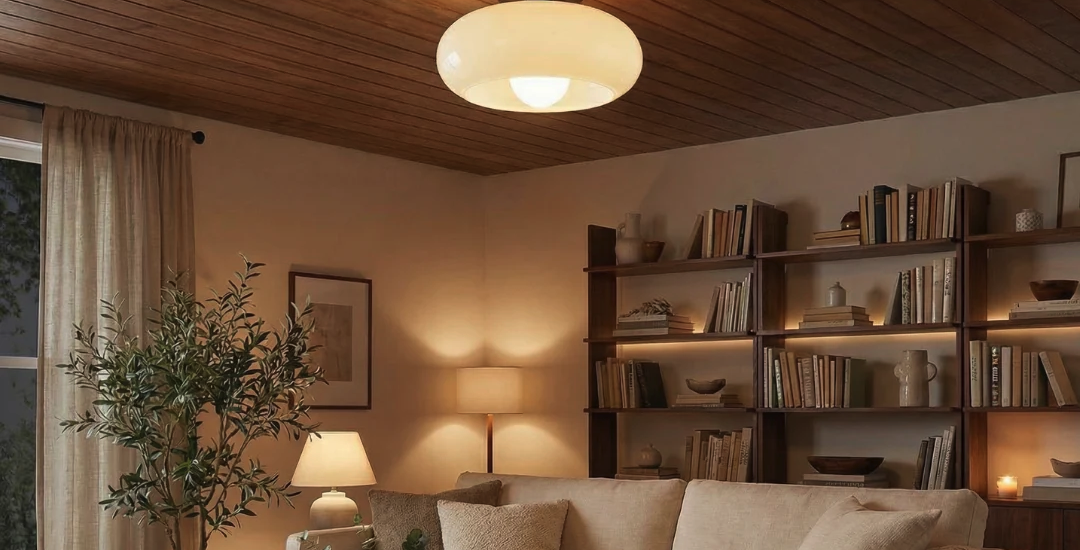
So, you’re thinking about giving your living room a bit of a facelift, and you’re eyeing the ceiling? Good thinking. The ceiling is often overlooked, but a few smart lighting choices can seriously transform the vibe of a space. Specifically, diving into Bauhaus-inspired ceiling lighting is a fantastic way to inject some modern, functional elegance into your living room. Think clean lines, geometric shapes, and a focus on how light actually works in a room, rather than just being a decorative afterthought. If you’re wondering if Bauhaus ceiling lighting can modernize your living room, the answer is a resounding yes, and this guide will walk you through exactly how to achieve it.
Before we start picking out fixtures, it’s helpful to understand what makes Bauhaus lighting Pareilclothing Bauhaus. It’s not just about how it looks; it’s about the philosophy behind it.
Functionality First, Form Follows
This is the golden rule of Bauhaus. Lights weren’t just meant to look pretty; they were designed to serve a purpose. This meant engineers and designers worked hand-in-hand to create solutions that were efficient and practical for everyday use. For your living room, this translates to lighting that serves multiple needs.
Simplicity and Minimalism
You won’t find ornate details or fussy embellishments in Bauhaus design. The beauty lies in the purity of form. Think of simple geometric shapes – spheres, cylinders, rectangles – crafted from materials like metal and glass. This minimalist approach lends itself perfectly to modern interiors, avoiding clutter and emphasizing clean aesthetics.
honest Materiality
Bauhaus designers weren’t afraid to show off the materials they used. Metal, glass, and sometimes early plastics were celebrated for their inherent qualities. This means you’ll often see exposed bulbs, metal finishes that highlight their texture, and glass that diffuses light rather than obscuring it. This honesty in material contributes to the straightforward, functional appeal.
Everyday Affordability and Mass Production
A key aspect of the Bauhaus movement was the idea of creating well-designed, functional objects that were accessible to everyone. This meant thinking about how things could be mass-produced efficiently. While you might not be buying from a 1920s factory, this principle suggests that well-designed lighting doesn’t have to be overly complicated or astronomically expensive. It’s about smart design translating into practical, attainable pieces.
Why Bauhaus Ceiling Lights Work Wonders in Modern Living Rooms
The characteristics of Bauhaus design align beautifully with what most people want in a contemporary living space.
Bridging the Gap Between Classic and Contemporary
Bauhaus pieces, despite their historical origins, have a timeless quality. Their clean lines and unadorned aesthetics mean they don’t look “dated.” Instead, they offer a sophisticated nod to design history while fitting seamlessly into a modern decor. They act as a bridge, making your living room feel thoughtfully curated rather than following a fleeting trend.
Enhancing Spatial Perception
The emphasis on form and function in Bauhaus lighting can actually make your living room feel larger and more open. Strategically placed fixtures that direct light effectively can eliminate dark corners and create a sense of spaciousness. Minimalist designs also contribute to this, as they don’t visually “block” or weigh down the space.
Creating a Calm and Focused Atmosphere
The purposeful nature of Bauhaus lighting is conducive to creating a relaxed yet functional environment. Each light fixture has a job to do, whether it’s general illumination, task lighting, or accent lighting. This thoughtful approach contributes to a sense of order and calm, which is highly desirable in a living room, a space often used for relaxation and focused activities like reading.
A Statement of Design Sensibility
Choosing Bauhaus-inspired lighting is a subtle way to signal a refined design sensibility. It shows you appreciate good design principles, where form and function are given equal weight. This adds a layer of sophistication to your living room that goes beyond just having a nice-looking lamp.
Types of Bauhaus-Inspired Ceiling Fixtures for Your Living Room
When we talk about “ceiling lighting” in a Bauhaus context, it’s not just about a single pendant. It’s about integrating different types of fixtures to create a complete lighting scheme.
The Iconic Pendant Light
This is probably what first comes to mind. Bauhaus pendant lights are characterized by their simple geometric shades – often spherical, cylindrical, or with clean, conical shapes.
Metal Shades for Direct Illumination
Many classic Bauhaus pendants feature metal shades, often in polished chrome, matte black, or brushed steel. These are excellent for directing light downwards, making them ideal for task lighting over a coffee table or a reading nook. Their minimalist design ensures they don’t overpower the room’s decor.
Frosted or Opal Glass for Diffused Light
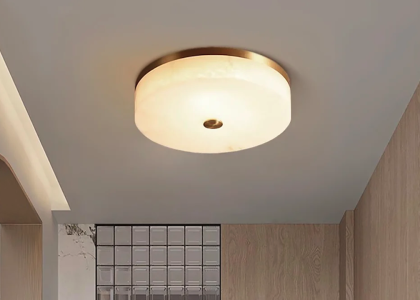
Other pendants use frosted or opal glass. This diffuses the light, creating a softer, more ambient glow. This is perfect for general illumination in a living room, providing a comfortable and inviting atmosphere without harsh shadows. The material itself contributes to the clean aesthetic.
Articulated or Adjustable Pendants
Some designs incorporate articulation, allowing you to adjust the angle of the light. This adds another layer of functionality, enabling you to direct light precisely where it’s needed, whether it’s for reading or highlighting artwork.
Recessed and Surface-Mounted Spotlights
While often mistaken for purely modern additions, well-designed recessed or surface-mounted spotlights fit neatly within the Bauhaus ethos of functional, unobtrusive lighting.
Minimalist Recessed Downlights
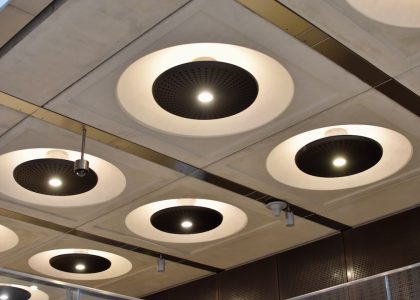
Think of simple, circular trims that are flush with the ceiling. When used thoughtfully, these can provide excellent general illumination without becoming a focal point. The key is to choose fixtures with clean, unfussy bezels.
Strategic Surface-Mounted Spotlights
For a more visible, yet still minimalist, approach, consider surface-mounted spotlights with clean, geometric housings. These can offer adjustability and are excellent for accentuating architectural features or specific areas of your living room. The emphasis here is on clean lines and utilitarian design.
Multi-Light Chandeliers (Bauhaus Style)
Don’t make the mistake of thinking Bauhaus means no “chandeliers.” Bauhaus-style chandeliers are about modularity and repetition of simple forms, not ornate crystal.
Linear Arrangements of Globes
Picture a series of identical glass globes suspended from a central metal bar or frame. This creates a striking visual effect that is both functional and aesthetically pleasing. The repetition of the simple globe form is quintessentially Bauhaus.
Intersecting Geometric Frames with Integrated Lights
Another variation involves simple geometric frames – perhaps cubes or rectangular prisms – with light sources integrated within or at their intersection points. These are more sculptural and can act as a central piece without being overwhelming.
Implementing Bauhaus Lighting for Maximum Impact
It’s not just about what fixture you choose, but how you use it to create a cohesive and effective lighting plan for your living room.
Layering Your Light: The Key to a Functional Living Room
A truly modern and functional living room needs more than just one overhead light. Bauhaus principles encourage a layered approach, combining different types of illumination.
Ambient Lighting: The Foundation
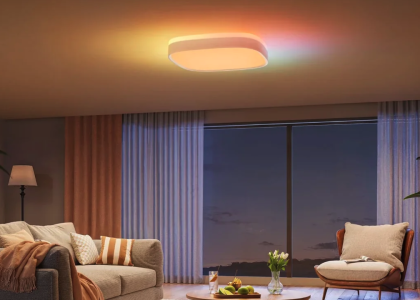
This is your general, overall light. In a Bauhaus living room, this could come from diffused ceiling pendants or strategically placed recessed lighting that washes the room evenly. The goal is to create a comfortable baseline light level.
Task Lighting: For Specific Activities
This is where you get precise. Think about where you read, work, or enjoy hobbies in your living room. Bauhaus-inspired adjustable pendants or track lighting with directional heads can provide the focused light needed for these activities without creating glare.
Accent Lighting: Highlighting Key Features
This is your opportunity to add drama and draw attention to architectural details, artwork, or plants. Small, minimalist spotlights or adjustable wall washers can be used to create pools of light and add depth to the space.
Placement is Paramount: Don’t Just Hang It Anywhere
The placement of your Bauhaus ceiling lights is crucial for both aesthetics and functionality.
Avoid Direct Overhead Glare
For general ambient light, avoid placing bright lights directly over seating areas where they can cause glare. Instead, try to position them slightly off-center or use fixtures that diffuse light.
Create Visual Interest with Asymmetry
While Bauhaus is about order, you can still create visual interest by combining different types and heights of fixtures. A central, larger pendant could be complemented by smaller, strategically placed downlights.
Consider Room Dimensions and Purpose
A large, open-plan living room will require a different lighting strategy than a smaller, cozier space. Think about how you use the different zones within your living room and tailor your lighting accordingly.
Integrating Dimmer Switches: Total Control
This is a non-negotiable for modern living rooms and aligns perfectly with the functional ethos of Bauhaus.
Adapting Light for Different Moods
Dimmer switches allow you to instantly change the mood of your living room. Bright and functional for daytime activities, or dim and cozy for an evening movie. This flexibility is key to a well-designed space.
Energy Efficiency and Longevity
Using dimmers can also contribute to energy savings, as you’re not always running lights at their full brightness. This also helps extend the lifespan of your bulbs.
Material and Finish Choices for Timeless Appeal
The materials and finishes you select for your Bauhaus-inspired lighting will significantly impact the overall look and feel of your living room.
Metal Finishes: Classic and Versatile
Metal is a cornerstone of Bauhaus design, offering durability and a sleek aesthetic.
Polished Chrome: Modern and Reflective
Polished chrome immediately evokes a sense of modernism. Its reflective surface bounces light around the room, contributing to a brighter and more spacious feel. It pairs well with minimalist furniture and cooler color palettes.
Matte Black: Bold and Contemporary
Matte black finishes offer a more dramatic and contemporary look. They can anchor a space and provide a striking contrast against lighter walls or ceilings. This is a great choice for a more industrial-inspired modern living room.
Brushed Steel/Nickel: Softer Industrial Elegance
Brushed steel or nickel offers a softer, less reflective alternative to polished chrome. It has a subtle texture that adds warmth while still maintaining a distinctly modern and industrial feel. This is a good all-rounder that complements a wide range of decor styles.
Brass/Copper (with caution): A Touch of Warmth
While not as prevalent as chrome or steel in traditional Bauhaus, carefully selected brass or copper elements can add a sophisticated warmth to a modern interpretation. Opt for brushed or aged finishes rather than overly shiny ones to maintain a sense of understated elegance and avoid a purely decorative feel.
Glass Types: Diffusing and Directing Light
Glass in Bauhaus lighting is usually functional and unadorned, serving to shape and control the light.
Frosted Glass: Soft, Even Illumination
Frosted glass is perfect for creating soft, diffused ambient light. It masks the direct glare of bulbs and spreads light evenly, providing a comfortable and inviting atmosphere. Ideal for general ceiling fixtures.
Opal Glass: A Brighter Diffusion
Opal glass is similar to frosted glass but often provides a brighter, more uniform diffusion of light. It’s excellent for creating a clean, bright, yet still softened, overall illumination.
Clear Glass (with intent): Showcasing the Source
While less common for general ceiling lighting, clear glass is sometimes used in pendant designs to showcase the light bulb itself. This aligns with the Bauhaus principle of honest materiality. If using clear glass, consider using decorative filament bulbs for added aesthetic appeal, but ensure the bulb design itself is clean and geometric.
Finding the Right Bauhaus-Inspired Pieces for Your Space
Navigating the world of lighting can feel overwhelming, but focusing on Bauhaus principles can simplify your search.
Look for Clean Lines and Geometric Forms
When browsing, keep an eye out for fixtures that exhibit strong geometric shapes – spheres, cubes, cylinders, cones. The less ornamentation, the better. The beauty should lie in the simplicity of the form.
Prioritize Functionality Over Flash
Ask yourself: What is this light designed to do? Does it provide good ambient light? Can it be directed for tasks? A fixture that serves a clear purpose will always feel more authentically Bauhaus than one that’s just “pretty.”
Consider Independent Lighting Designers and Makers
Beyond the big box stores, there are many smaller design studios and independent lighting makers who are creating beautifully crafted, Bauhaus-inspired pieces. These often offer higher quality and more unique designs.
Explore Vintage and Reproduction Options
The original Bauhaus era produced iconic lighting. While authentic vintage pieces can be expensive and hard to find, there are excellent reproductions available from reputable brands that capture the spirit and design of the originals.
Think About Scale and Proportion in Your Living Room
Before you fall in love with a fixture, take some measurements of your living room. How big is the room? What is the ceiling height? Ensure the size of the fixture is proportionate to your space to avoid it looking too small or overwhelming. A massive, ornate chandelier will never feel Bauhaus, regardless of its geometric elements. Conversely, tiny, delicate lights won’t provide adequate illumination in a large room.
By understanding the core tenets of Bauhaus design and applying them thoughtfully to your ceiling lighting choices, you can transform your living room into a space that is not only modern and stylish but also supremely functional and inviting. It’s about creating an environment where light serves you, enhancing your daily life through considered design.