
So, you’re eyeing up one of those sleek, modern black linear LED dining table pendant lights and wondering if it’s the right move for your space. The short answer is: likely, yes. These fixtures offer a great blend of form and function, bringing focused light exactly where you need it over your dining area while adding a significant design element to your room. They’re a popular choice for good reason, and we’ll dive into why.
More Than Just a Pretty Fixture: What Makes Them Special?
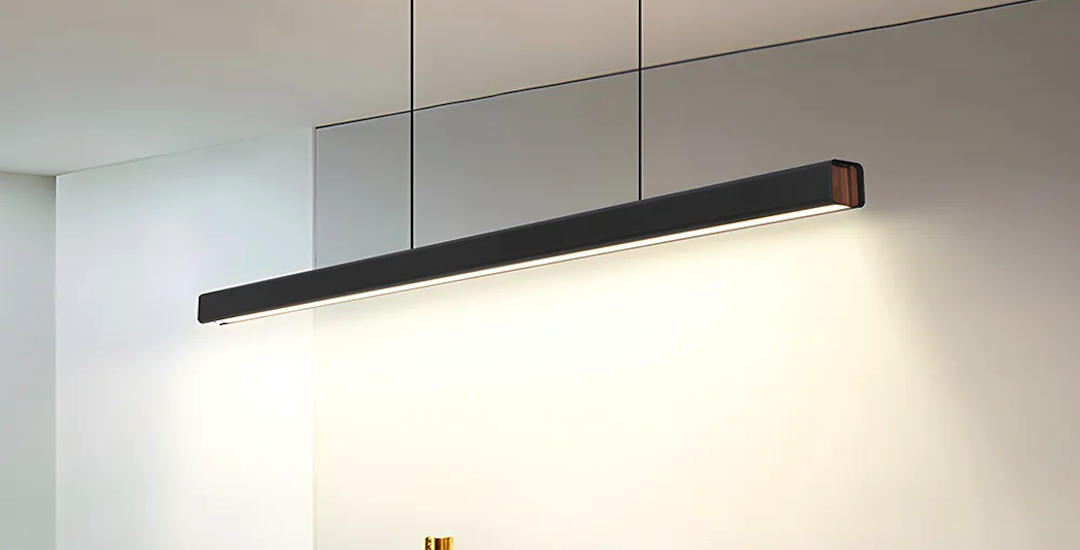
These aren’t your grandma’s chandelier. Modern black linear LED pendants Hongfu are designed with contemporary aesthetics in mind. Think clean lines, minimalist profiles, and often a matte black finish that feels sophisticated without being stuffy.
The “Linear” Advantage
The “linear” aspect is key. Unlike a round pendant that might create a more generalized pool of light, a linear fixture casts a focused beam along the length of your dining table. This is incredibly practical for evening meals, board games, or even homework sessions.
Maximizing Your Table’s Illumination
- Even Coverage: The elongated shape ensures that everyone seated at the table receives adequate light, preventing shadows that can make food look unappetizing or reading difficult.
- Task-Oriented Lighting: It’s designed to illuminate the surface of your table, creating a defined dining zone and enhancing the experience of eating and interacting.
The “LED” Factor: Brightness Meets Efficiency
LED technology is a game-changer for lighting. It’s durable, energy-efficient, and offers excellent light quality.
Energy Savings and Longevity
- Lower Electricity Bills: LEDs consume significantly less energy than traditional incandescent or halogen bulbs, which can translate into noticeable savings over time.
- Long Lifespan: You can expect these LED fixtures to last for tens of thousands of hours, meaning you won’t be constantly replacing bulbs.
Light Quality Considerations
- Color Temperature: LEDs come in various color temperatures, usually measured in Kelvin (K).
- Warm White (2700K-3000K): Mimics the cozy glow of incandescent bulbs, ideal for creating an inviting dining atmosphere.
- Cool White (4000K-5000K): Offers a crisp, natural light that can be good for task visibility but might feel a bit stark for some dining settings.
- Daylight (5000K+): Very bright, often used for task lighting in kitchens or workspaces, but generally too harsh for a dining room.
For dining, warm white is usually the preferred choice to create a welcoming ambiance.
- Brightness (Lumens): The lumens rating tells you how much light the fixture emits. A typical dining room fixture might range from 800 to 2000 lumens, but this depends on the size of your room and table.
The Modern Black Aesthetic: A Versatile Choice
Black might seem simple, but in a modern context, it’s incredibly versatile.
Why Black Works So Well
- Sophistication: A matte black finish adds a touch of modern elegance without being ostentatious.
- Versatility: It pairs well with a wide range of dining table materials – from natural wood to glass, metal, or even painted finishes. It also complements various wall colors and decor styles.
- Visual Weight: Black can act as an anchor in your room, grounding the space and making the pendant a focal point.
- Durability: Matte black finishes are often more forgiving of fingerprints and smudges than glossy surfaces.
Installation: What to Expect (Without the Technical Jargon)
Getting one of these lights up isn’t as daunting as it might seem. Most are designed for straightforward installation, especially if you’re replacing an existing pendant light.
Preparing Your Space
Before you even open the box, it’s good to have a plan.
Measuring Up
- Pendant Length: Consider the length of your dining table. A general rule of thumb is that the pendant should be about two-thirds the length of your table. For example, a 6-foot (180 cm) table might work well with a pendant that’s around 4 feet (120 cm) long.
- Height: The bottom of the pendant should typically hang at least 30-36 inches (76-91 cm) above the dining tabletop. This ensures it’s out of the way of heads but still close enough to provide effective lighting. You don’t want it so high that it feels disconnected from the table, or so low that people bump into it.
Electrical Considerations
- Existing Fixture: If you’re replacing an old pendant, the wiring should already be in place. You’ll need to turn off the power at the breaker box – this is crucial for safety.
- New Installation: If there’s no existing fixture, you’ll need a ceiling box and the necessary wiring. This is where consulting an electrician might be a good idea if you’re not comfortable with electrical work.
The Installation Process (Simplified)
- Turn Off Power: Always the first and most important step.
- Remove Old Fixture: If applicable, carefully detach the old light.
- Assemble New Pendant: Follow the manufacturer’s instructions to put together the new fixture. This usually involves attaching the canopy to the light bar and connecting suspension cables or rods.
- Mount the Canopy: Secure the canopy to the ceiling box, ensuring it’s flush.
- Wire It Up: Connect the wires from the pendant to the corresponding wires in the ceiling box (usually black to black, white to white, and ground to ground). Wire nuts are commonly used here.
- Secure Fixture: Attach the main light bar to the ceiling mount.
- Test: Turn the power back on at the breaker and test the light.
When to Call in the Professionals
- Unsure About Wiring: If you’re not 100% confident with electrical connections, hire an electrician. It’s not worth the risk.
- No Existing Fixture: If you don’t have a ceiling box and wiring already in place, an electrician can install these safely and correctly.
Design Versatility: Beyond the Basic Black Bar
While the classic black linear bar is a strong contender, manufacturers offer variations that can cater to slightly different tastes and room styles.
Material Twists
Beyond just black metal, you might find variations that incorporate other materials.
Mixing Textures and Finishes
- Black and Wood Accents: Some linear pendants feature black metal with warm wood accents, bringing a touch of natural texture to the modern design. This can be great for tables with wood elements.
- Black and Frosted Glass: A frosted glass diffuser along the length of the fixture can soften the light and create a more diffused, ambient glow, rather than a direct beam.
Shape Variations
The “linear” concept can be interpreted in a few ways.
Beyond the Straight Line
- Angled or Geometric Designs: You might find fixtures with subtle angles or geometric shapes incorporated into the linear form, adding a bit more visual interest.
- Multiple Rods: Some designs feature two or three parallel linear rods, creating a layered effect and appearing more substantial.
Adjustable Features
The practicalities of a light fixture are just as important as its looks.
Fine-Tuning Your Light
- Height Adjustment: Most linear pendants come with adjustable cables or rods, allowing you to fine-tune the exact hanging height for your space.
- Dimmability: This is a big one. Most modern LED dining pendants are designed to be dimmable. This allows you to control the ambiance of your dining room – bright for meals, soft and cozy for after-dinner conversations. Ensure you pair a dimmable fixture with a compatible dimmer switch in your electrical box for this functionality.
Integrating It Into Your Dining Room Decor
A black linear LED pendant isn’t just a light source; it’s a statement piece that can significantly influence the feel of your dining room.
Creating a Defined Dining Zone
The fixture visually carves out your dining area from the rest of the room, especially in open-plan living spaces.
Visual Anchoring
- Focus Point: The light emanating from the pendant draws the eye down to the table, making it the natural focal point of the room.
- Spatial Definition: It creates a sense of purpose and separation between the dining area and other functional zones.
Complementing Your Dining Table
The material and style of your dining table will dictate how well a black linear pendant complements it.
Table Harmony
- Wood Tables: A black linear pendant with wood accents can enhance a natural wood table. A simple matte black fixture can also provide a striking contrast.
- Glass or Metal Tables: These often lend themselves to the sleekness of a pure black linear design, enhancing their modern, minimalist feel.
- Darker Tables: Avoid making the room too dark by ensuring sufficient ambient light elsewhere or choosing a fixture with a good lumen output.
Working with Your Overall Style
Black lineal pendants are inherently modern, but they can adapt to a surprising range of decor.
Style Synergy
- Modern & Contemporary: This is the natural habitat. The clean lines and minimalist silhouette fit perfectly.
- Industrial: The matte black finish and often simple, functional design can align well with industrial aesthetics.
- Minimalist: The unobtrusive design and focus on functionality are key to minimalist interiors.
- Transitional: While undeniably modern, a well-chosen design can also bridge the gap into transitional spaces, especially if it has subtle curves or warmer material accents.
What to Look for When Buying
Navigating the options can feel overwhelming. Here’s a practical checklist to help you make a smart choice.
Key Features to Prioritize
- Dimensions: As mentioned, ensure it’s the right size for your table and ceiling height.
- Light Output (Lumens): Sufficient brightness for your needs.
- Color Temperature (Kelvin): Aim for warm white (2700K-3000K) for a cozy dining atmosphere.
- Dimmability: Crucial for mood control. Check if a dimmer switch is needed and if it’s compatible.
- Material Quality: Look for durable finishes and sturdy construction.
- Adjustability: The ability to fine-tune height is a huge plus.
- Ease of Installation: While most are straightforward, some might be easier than others. Read reviews if possible.
Understanding Specifications
- Wattage vs. Lumens: Don’t get too caught up in wattage for LEDs. Lumens tell you how bright the light is. A lower wattage LED can produce the same lumens as a higher wattage incandescent bulb.
- Color Rendering Index (CRI): This measures how accurately the light source shows the true colors of objects. A CRI of 80+ is generally good; 90+ is excellent and will make your food look its best.
Where to Buy and What to Expect Price-Wise
You’ll find these types of fixtures at:
- Specialty Lighting Stores: Often offer a wider selection and expert advice.
- Online Retailers: Huge variety, competitive pricing, but less tactile experience.
- Home Improvement Stores: Good for standard options, sometimes less design-forward.
Price Range: Expect a range from around $150 for simpler, smaller fixtures from big-box stores to $500+ for high-end designer pieces or those with advanced features. The quality of materials, brand reputation, and complexity of design will influence the cost.
Final Thoughts: Is It Worth It?
If you’re looking for a functional, stylish, and energy-efficient lighting solution for your dining room, a modern black linear LED pendant light is a strong contender. It offers focused illumination, a clean aesthetic, and the flexibility to adapt to your decor. By considering the size, light quality, and your installation comfort level, you can confidently choose a fixture that will elevate your dining experience for years to come. They’re a practical investment in both the look and feel of your home.