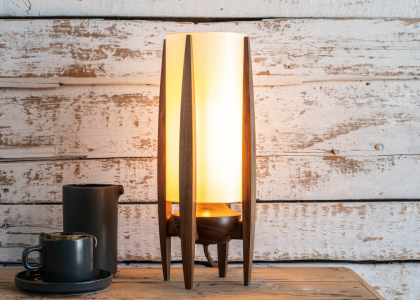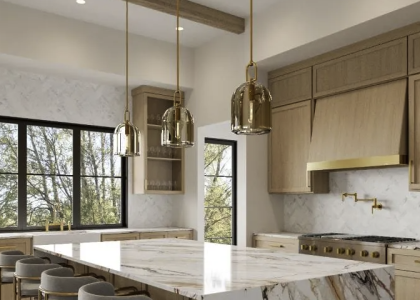

Let’s talk about modern low-profile kitchen ceiling light fixtures. The main question on your mind is probably: “What makes a modern low-profile kitchen ceiling light fixture good for my kitchen, and what should I look for?” In a nutshell, good modern low-profile designs balance aesthetics, excellent illumination, and practical considerations like ease of installation and maintenance, all while fitting seamlessly into your kitchen’s style without dominating the space. They’re about smart design that works, not just looks.
When we talk about “low-profile” in the context of kitchen ceiling lights, we’re generally referring to fixtures that sit relatively close to the ceiling. This is a significant departure from older, bulkier styles or those with lengthy hanging pendants. For a modern kitchen, this approach offers several distinct advantages.
Maximizing Headroom and Sense of Space
One of the most immediate benefits of low-profile fixtures is how they contribute to an open and airy feel in your kitchen. In kitchens, particularly smaller ones, a fixture that hangs too low can feel like it’s encroaching on your personal space, even if the ceiling itself is quite high. Low-profile designs, by hugging the ceiling, free up that visual and physical space. This makes rooms feel larger and more expansive, which is a common goal in modern interior design. It’s less about the fixture being there and more about how it enhances the perception of the room.
Streamlined Aesthetics
Modern kitchen design often prioritizes clean lines, minimalism, and a sense of order. Low-profile fixtures align perfectly with this ethos. They don’t have elaborate shades, intricate detailing, or long cords that can add visual clutter. Instead, they offer a sleek, often geometric or understated form that complements a contemporary aesthetic. Think of it as furniture for your ceiling – you want it to blend in and contribute to the overall look without shouting for attention.
Practicality in Everyday Use
Beyond looks, low-profile fixtures can be more practical. They are less likely to be bumped into, especially in busy kitchens. This is a real consideration if you have children, pets, or are simply prone to the occasional head knock when reaching for something. Their reduced protrusion also means fewer dust traps and less surface area to clean, which is always a win in a kitchen environment.
Key Design Elements in Modern Low-Profile Fixtures
When you start looking at modern low-profile kitchen ceiling lights, you’ll notice a few recurring themes in their design. These aren’t just arbitrary choices; they stem from the desire to create functional, attractive, and minimalist lighting.
Shape and Form: Beyond the Basic Dome
While the classic dome or flush-mount is still around, modern low-profile designs have evolved significantly. You’ll find a much wider range of shapes that offer visual interest without being overwhelming.
Geometric Purity
Many contemporary fixtures embrace geometric shapes. Think squares, rectangles, circles, and even hexagonal or octagonal forms. These shapes are inherently clean and modern, lending a sense of intentionality to the lighting. A square fixture might mirror the lines of your cabinetry, while a circular one can soften a more angular space. The key is that these shapes are usually presented with sharp, defined edges or perfectly smooth curves, reflecting a deliberate design choice.
Subtle Curves and Organic Inspiration
Not all modern designs are strictly geometric. Some incorporate gentle curves that hint at organic forms, but without the fussiness of traditional decorative elements. These might be gently sloping bowls, teardrop shapes, or fixtures with a subtle upward sweep. The emphasis is on a smooth, unbroken silhouette that integrates well with the ceiling. These can add a touch of softness and a less stark feel to the overall design.
Integrated Design and Diffusers
One of the hallmarks of modern low-profile lighting is how the light source and the diffuser are often integrated into a single unit. Instead of a separate bulb and shade, you might see a frosted acrylic panel, a silicone diffuser, or a series of LEDs embedded within the fixture’s frame. This creates a unified, seamless look.
The Role of the Diffuser
The diffuser is crucial. In low-profile fixtures, it’s not just about softening the light; it’s about distributing it evenly without creating harsh glare. Materials like frosted acrylic, polycarbonate, or even fabric can be used. The goal is to achieve a widespread, ambient glow that illuminates the entire kitchen without distinct hot spots. The way the diffuser is integrated – whether it’s a full panel, a translucent ring, or a series of carefully placed elements – significantly impacts the fixture’s appearance and light quality.
Materials and Finishes: Adding Sophistication
The materials and finishes used in modern low-profile fixtures play a vital role in their ability to blend with and enhance your kitchen’s existing décor. They are chosen for both their aesthetic appeal and their durability.
Metal Finishes: From Brushed to Black
Metal is a ubiquitous material in modern lighting. You’ll commonly see finishes like brushed nickel, polished chrome, matte black, brushed brass, and even oil-rubbed bronze.
- Brushed Nickel/Chrome: These offer a classic, slightly reflective, and very versatile look. They tend to work well with stainless steel appliances and a variety of cabinet finishes.
- Matte Black: This has become incredibly popular in modern design. It provides a strong visual anchor and a sophisticated, minimalist contrast to lighter surfaces. It’s also forgiving in terms of showing minor smudges.
- Brushed Brass/Gold: While traditionally associated with more classic styles, brushed brass and muted gold tones are experiencing a resurgence in modern kitchens. They can add a touch of warmth and subtle luxury, especially when paired with darker countertops or natural wood elements. The brushed finish prevents them from looking too flashy.
- Oil-Rubbed Bronze: This offers a darker, more subdued metallic finish with hints of brown and red. It can provide a rustic-modern feel and is a good choice for kitchens that lean towards warmer tones.
Wood and Wood-Like Accents
To introduce a warmer, more natural element, some modern low-profile fixtures incorporate wood or wood-effect accents. This is usually done subtly, perhaps as a decorative trim, a small inlay, or even as part of the diffuser housing. This can help bridge the gap between a very industrial or minimalist kitchen and one that has more natural or traditional elements.
Acrylic and Glass: Translucency and Light Play
While not always the primary material, translucent acrylic or frosted glass is often used for diffusers. The quality of these materials matters. High-quality acrylic can mimic the look of glass without the weight or fragility, and it diffuses light beautifully. Frosted glass offers a classic matte finish for light diffusion. The way these materials are shaped and integrated into the fixture’s frame is key to the modern aesthetic – think seamless edges and clean lines.
Illumination Quality: Brightness and Color Temperature
A light fixture isn’t just decorative; its primary function is to provide light. For a kitchen, this means ensuring you have enough brightness and the right kind of light to perform tasks safely and comfortably.
Lumen Output: Getting Enough Brightness
The brightness of a light fixture is measured in lumens. A general guideline for a kitchen is around 10-20 lumens per square foot, but this can vary depending on your ceiling height and the specific tasks you perform. For task-oriented areas like countertops, you might want even more light. Modern low-profile fixtures, especially those with integrated LEDs, offer a wide range of lumen outputs.
- Understanding Your Needs: Before buying, consider the size of your kitchen and what you do there. Do you do a lot of intricate cooking or baking? Do you entertain frequently? These factors will influence how many lumens you actually need to feel comfortable and functional.
- Dimmer Compatibility: Many modern fixtures are designed to be dimmable. This is a huge advantage, allowing you to adjust the light level for different activities and moods. Ensure any dimmable fixture you choose is compatible with your existing dimmer switch or plan to install one.
Color Temperature (Kelvin): Warm vs. Cool Light
Color temperature, measured in Kelvin (K), refers to the appearance of the light itself. This is a critical aspect of modern lighting design as it significantly impacts the ambiance of your kitchen.
- Warm White (2700K – 3000K): This light is more yellow and resembles traditional incandescent bulbs. It’s cozy, inviting, and great for creating a relaxed atmosphere. It can make colors appear richer.
- Neutral White/Bright White (3500K – 4000K): This is a balanced white light, often considered ideal for kitchens as it provides good visibility for tasks without being too stark or too yellow. It makes colors appear true and is energizing.
- Cool White/Daylight (5000K+): This light is very blue-toned and mimics natural daylight. It’s excellent for task lighting where color accuracy is paramount, but it can feel a bit stark or sterile for general ambiance in a kitchen, especially in the evening.
For a modern kitchen, a neutral white (around 3500K-4000K) is often the sweet spot because it provides good task illumination without feeling clinical. However, if your kitchen is a primary entertaining space and you prefer a warmer ambiance, opting for dimmable fixtures with the ability to switch between color temperatures or choosing a warmer base tone can be a good compromise.
Integrating Modern Low-Profile Fixtures into Your Kitchen Design
Choosing a low-profile fixture isn’t just about picking something that looks nice; it’s about how it fits into the overall design narrative of your kitchen. The goal is harmony.
Matching Your Kitchen’s Style
The most important consideration is how the fixture’s style aligns with your kitchen’s existing or planned aesthetic.
Minimalism and Modern Farmhouse
In a minimalist kitchen with sleek cabinets and clean lines, a fixture with a simple geometric shape in matte black or brushed nickel would be a natural fit. For a more modern farmhouse style, which often blends rustic elements with clean designs, a fixture with a touch of wood accent or a slightly more industrial metal finish might work well. The key is that the low-profile nature keeps it from overpowering any more decorative elements of the farmhouse style.
Industrial and Contemporary
Industrial kitchens often feature exposed materials and raw textures. A low-profile fixture with a dark metal finish, perhaps with some visible structural details (but still sleek), can complement this. Contemporary kitchens, which are broad in definition, can accommodate a wide range. The focus remains on clean lines and functionality, so a fixture that doesn’t draw excessive attention but provides excellent light is usually the aim.
Scale and Placement: Where to Put It and How Big?
The size and placement of your low-profile fixture are just as important as its design.
Single Fixture vs. Multiple Units
For larger kitchens, you might opt for a single, larger low-profile fixture as the primary light source. This could be a long rectangular fixture spanning over an island or a wider circular one in the center of the room.
In smaller kitchens or to provide more balanced lighting, using multiple smaller low-profile fixtures in a grid pattern can be very effective. This is particularly useful for illuminating the entire ceiling evenly and avoiding shadows.
Over Islands and Peninsulas
Low-profile fixtures are excellent for lighting kitchen islands and peninsulas. Instead of the traditional pendant that can feel heavy or block views, a line of low-profile linear fixtures or a few well-spaced circular or square ones can provide focused task lighting without sacrificing the sense of openness. The height is critical here; they should be low enough to provide direct light but not so low that they impede conversation or visibility across the island.
Energy Efficiency and LED Technology
Modern low-profile kitchen ceiling lights are predominantly LED, and this is a significant advantage.
Longevity and Reduced Energy Consumption
LEDs are remarkably energy-efficient compared to incandescent or even CFL bulbs. This translates to lower electricity bills. Furthermore, LEDs have a significantly longer lifespan, meaning you’ll be replacing bulbs far less often, which is a major convenience, especially in ceiling fixtures that can be difficult to access.
Built-in vs. Replaceable LED
A common design in modern low-profile fixtures is integrated LED modules. This means the LEDs are built directly into the fixture and are not user-replaceable.
- Pros of Integrated LEDs: This often allows for more streamlined and aesthetically pleasing designs, as there are no visible bulb sockets. The fixture itself can be more compact and the light diffusion can be more uniform.
- Cons of Integrated LEDs: The main drawback is that when the LEDs eventually fail (which, given their lifespan, is usually after many years), the entire fixture needs to be replaced. However, the longevity makes this a less frequent concern than with traditional bulbs. When purchasing, it’s worth checking the manufacturer’s warranty on the integrated LED module.
Installation and Maintenance Considerations
When you’re looking at any new light fixture, the practicalities of getting it installed and keeping it looking good are important.
Ease of Installation
Many modern low-profile fixtures are designed with easier installation in mind. Because they sit flush or nearly flush with the ceiling, they often involve less complex mounting hardware compared to pendant lights that require robust support for hanging.
- Mounting Brackets: Most will come with a mounting bracket that attaches to the junction box in your ceiling. The fixture then typically screws or clips onto this bracket.
- Wiring: The wiring process is generally straightforward, involving connecting the correct wires (hot, neutral, ground). If you’re not comfortable with basic electrical work, it’s always best to hire a qualified electrician for safety.
- Weight: Low-profile designs tend to be lighter than their bulkier counterparts, making them easier to hold steady while you make the electrical connections.
Cleaning and Dust Management
Kitchens are known for grease, steam, and general cooking byproducts. Light fixtures are not immune.
- Smooth Surfaces: The sleek, often smooth surfaces of modern low-profile fixtures are generally easy to clean. A damp cloth with a mild detergent is usually sufficient.
- Avoiding Hidden Crevices: The less intricate the design, the fewer places for dust and grime to accumulate. This is where the minimalist aesthetic of modern fixtures really pays off. Unlike ornate fixtures with many nooks and crannies, a simple geometric flush mount with a smooth diffuser is much easier to wipe down.
- Diffuser Material: The type of diffuser material can also affect ease of cleaning. Acrylic can sometimes be prone to scratching if aggressive cleaning methods are used, so gentle wiping is best.
Longevity and Durability
Modern low-profile fixtures, especially those constructed with quality materials and integrated LEDs, are built for durability.
- Material Quality: Opt for fixtures made from sturdy metals and high-quality plastics or glass for the diffuser. This ensures they will withstand the rigors of a kitchen environment.
- LED Lifespan: As mentioned, the long lifespan of LEDs means you won’t be constantly dealing with burnt-out bulbs, contributing to the fixture’s overall low maintenance profile.
- Manufacturer Reputation: Buying from reputable brands known for quality and good warranties can give you peace of mind.
Making the Right Choice for Your Kitchen
Ultimately, selecting the right modern low-profile kitchen ceiling light fixture comes down to a few key steps that ensure you get both form and function.
Assess Your Kitchen’s Needs and Style
Before browsing, take a moment to really look at your kitchen. What is its overall style? What are the dominant colors and materials? What are your primary lighting needs – general ambient light, focused task lighting, or a combination? This initial assessment will help you narrow down choices significantly.
- Budget: Determine how much you’re willing to spend. Modern fixtures can range from very affordable options to high-end designer pieces.
- Existing Fixtures: Consider the styles and finishes of your existing hardware, cabinetry, and appliances. Aim for some level of cohesion.
Don’t Be Afraid to Mix and Match Finishes (Thoughtfully)
While cohesion is good, you don’t necessarily need every single element to be the exact same finish. A matte black fixture can look fantastic against brushed nickel hardware. The trick is to ensure there’s a deliberate design reason behind your choices. Pairing a metallic finish with a natural material like wood can create a pleasing contrast.
Consider the Light Quality as Much as the Look
Remember that a light fixture’s primary job is to provide light. While aesthetics are crucial for a modern design, don’t compromise on the quality of illumination. A fixture that looks stunning but casts dim, uneven light will ultimately be a disappointment. Pay attention to lumen output and color temperature, and consider dimmability for flexibility.
Read Reviews and Check Specifications
Once you’ve narrowed down your options, take the time to read online reviews from other homeowners. They can offer valuable insights into real-world performance, ease of installation, and durability. Also, meticulously check the product specifications for details on size, lumen output, color temperature, dimming capabilities, and warranty information.
By focusing on these practical aspects and understanding the design principles behind modern low-profile fixtures, you can find lighting that not only looks great in your kitchen but also functions precisely as you need it to, enhancing your daily life without being obtrusive.