
A well-lit foyer can make a huge difference in how your home feels right from the moment you step inside. If you’re looking to create a sense of height and openness in this entry space, lighting is one of your most powerful tools. It’s not just about brightening things up; it’s about strategically using light to draw the eye upward, making the area feel taller and more expansive than it might actually be.
The Power of Upward Illumination
When you want to make a space feel taller, think about how light Kaderhill interacts with vertical surfaces. Light that travels upwards tends to create the illusion of height. This is because our eyes naturally follow the path of light. If the light source pushes light towards the ceiling, your gaze is encouraged to travel along with it, extending the perceived verticality of the room. This is a fundamental principle in foyer lighting for creating that airy, spacious feel.
Before you even start looking at light fixtures, take a good look at your foyer. Every space has its quirks and unique characteristics, and understanding them will help you make the best lighting choices.
Ceiling Height and Shape
This is probably the most crucial factor. Is your foyer a grand, two-story entry, or is it a more modest, standard-height ceiling?
- High Ceilings: If you’re lucky enough to have a double-height foyer, you have a lot of flexibility. You can go for larger, more dramatic fixtures that fill the vertical space without overwhelming it. The challenge here is making sure the light reaches down to human level while also accentuating the height.
- Standard Ceilings: For average ceiling heights (around 8-9 feet), the goal is to create the illusion of height without making the space feel cluttered or top-heavy. You’ll want to be more selective with fixture size and placement.
- Sloped or Vaulted Ceilings: These present unique opportunities. Lighting can emphasize the architectural angles and create a dynamic sense of volume. You might consider fixtures that can be angled or recessed lighting that follows the slope.
Foyer Size and Layout
Is your foyer a generous square, a narrow hallway, or an irregular shape?
- Large Foyers: You have room for statement pieces. Multiple light sources can be used to define different zones or create layers of light.
- Small Foyers: Simplicity is key here. Overly large or complex fixtures can shrink the space. Focus on efficient, upward-directed light that doesn’t physically intrude too much.
- Narrow Foyers: Linear lighting solutions or a series of smaller, strategically placed fixtures can work well to guide the eye along the length of the space and prevent it from feeling like a tunnel.
Existing Natural Light
Does your foyer get a lot of natural light, or is it a bit of a cave?
- Abundant Natural Light: Your artificial lighting can complement the daylight, providing a soft glow in the evenings or filling in shadows during the day. You might not need as much overall wattage.
- Limited Natural Light: Your artificial lighting will need to work harder to brighten the space and make it feel welcoming. Layering different types of light will be even more important here.
Choosing the Right Fixtures for Height
This is where the fun begins. Certain types of fixtures are inherently better at creating that upward visual lift.
Pendants and Chandeliers: The Statement Makers
These are often the first things people think of for foyers, and for good reason. They can be stunning focal points and, when chosen correctly, can absolutely contribute to a sense of height.
- Tall and Lean Designs: Instead of wide, sprawling chandeliers, look for designs that are more vertical. Think multi-tiered fixtures, elongated drum pendants, or those with cascading elements. These draw the eye up their length.
- Open Cages and Clear Glass: Fixtures with open designs or clear glass shades allow light to pass through them, reducing visual bulk. This makes the space feel less cluttered and more open. If the fixture itself isn’t a solid mass, it won’t “lower” the ceiling visually as much.
- Strategic Hanging Height: This is critical. For standard ceilings, ensure the bottom of the fixture is at least 7 feet from the floor (or higher if it’s in a main walkway). For double-height foyers, hang the fixture so its midpoint is roughly at the second-story landing level, ensuring it’s visible from both floors. Don’t hang it so high that it disappears into the ceiling, or so low that it feels like you’ll bump your head.
Flush Mounts and Semi-Flush Mounts: Subtle Lifts
These are great for foyers with standard or lower ceilings where a hanging fixture might feel too imposing.
- Upward-Directed Light: Look for flush or semi-flush mounts where the light is directed upwards or diffused in a way that brightens the ceiling. Some designs have opaque bottoms but translucent sides, allowing light to wash the ceiling.
- Sleek and Minimalist: Choose designs that are not too bulky or ornate. A simple, elegant fixture that blends with the ceiling can make the ceiling feel less “heavy.”
- Placement for Effect: Even flush mounts can create an upward pull. If your fixture has a decorative element that draws the eye upward, or if its light output creates a subtle glow on the ceiling, it contributes to the illusion of height.
Wall Sconces: The Vertical Accents
Don’t underestimate the power of wall-mounted lights. They are fantastic for emphasizing verticality.
- Uplighting Sconces: The best choice for creating height. These fixtures direct light upwards onto the wall and ceiling, literally pushing the eye towards the top of the room.
- Vertically Oriented Designs: Sconces that are taller than they are wide will naturally draw the eye up. Think tall, slender cylindrical sconces or those with a strong linear vertical design.
- Strategic Placement: Place sconces at eye level or slightly above to create pools of light that highlight the vertical expanse of your walls. If you have a tall mirror or a piece of vertical art, sconces on either side can frame it and draw attention to its height.
Recessed Lighting: The Invisible Helper
While not a focal point, recessed lights play a crucial supporting role in creating an open, airy feel.
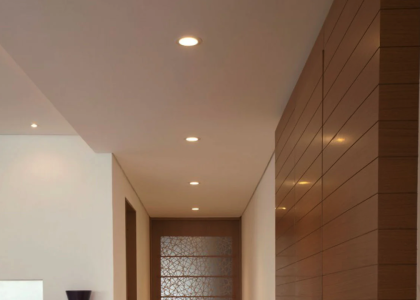
- Wall Washing: Install recessed lights a foot or two from the wall, aimed to wash light down the wall. This highlights the vertical surface, making it appear taller and brighter.
- General Ambient Light: Strategically placed recessed lights can provide overall brightness without adding any visual clutter to the ceiling. This clean look helps maintain an open feel.
- Adjustable Gimbals: If you have art or architectural features you want to highlight, adjustable recessed lights allow you to direct light precisely where it’s needed, drawing attention to vertical elements.
Layering Light for Maximum Impact
No single light fixture can do all the work. The secret to a truly dynamic and height-enhancing foyer is layering different types of light.
Ambient Lighting: The Foundation
This is the general, overall light in the room.
- Purpose: To provide enough illumination so you can safely enter, exit, and see clearly.
- Fixtures: Your main chandelier, large pendant, or a well-placed flush mount. Recessed lights can also contribute significantly here.
- Height Creation: Choose fixtures that spread light broadly and, if possible, have an upward component. The goal is to make the entire space feel bright and open, without dark corners that can make a room feel smaller.
Accent Lighting: Highlighting the Vertical
This is where you specifically draw attention to vertical elements.
- Purpose: To highlight architectural features, artwork, or the walls themselves, thereby drawing the eye upwards.
- Fixtures: Wall sconces (especially uplights), recessed wall washers, picture lights for vertical art.
- Height Creation: By brightly illuminating a tall wall, a high piece of art, or even just the upper part of the wall, you are visually extending the space. The contrast between the illuminated vertical surface and perhaps a slightly less bright ceiling can create depth and the illusion of height.
Task Lighting (If Applicable): Practicality with Panache
While less common in a foyer, some larger entryways might include a console table where mail is sorted or keys are dropped.
- Purpose: To provide focused light for specific activities.
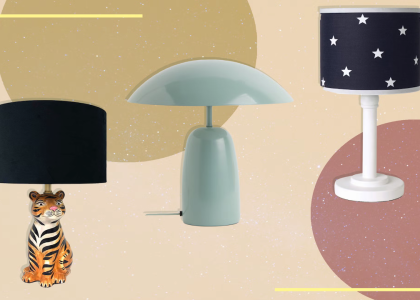
- Fixtures: A small table lamp on a console table.
- Height Creation: Even a table lamp can contribute. If it has an upward-facing shade or creates a glow on the wall behind it, it adds another layer of light that subtly expands the space. Choose lamps with a relatively slim profile to avoid visual clutter.
Smart Placement and Control
It’s not just what lights you choose, but where you put them and how you control them.
Strategic Fixture Placement
- Center of the Room: For a main overhead fixture, placing it centrally ensures even light distribution.
- Symmetry: If using multiple wall sconces, placing them symmetrically along a wall creates a sense of order and emphasizes the wall’s length and height.
- Highlighting Features: Position lights to specifically illuminate architectural details like crown molding, tall wainscoting, or a dramatic staircase, all of which draw the eye upwards.
Dimmer Switches: The Unsung Hero
Dimmers are essential in any well-lit space, but especially in a foyer where you want flexibility.
- Adjusting Mood: You can create a bright, welcoming atmosphere during the day or a softer, more intimate glow in the evening.
- Emphasizing Height: By subtly dimming certain lights and leaving others brighter, you can manipulate shadows and highlights to further enhance the perception of height. For instance, dimming the main overhead light slightly while keeping uplighting sconces brighter can make the upper parts of the walls and ceiling feel more prominent.
- Energy Saving: A practical bonus.
Light Temperature (Kelvin): Setting the Tone
The color of your light can also influence how a space feels.
- Warm White (2700K – 3000K): Creates a cozy, inviting atmosphere. This is often preferred for residential spaces, making a foyer feel welcoming. It doesn’t directly create height, but a comfortable ambiance can make a space feel more expansive because it feels less confined.
- Cool White (3500K – 4000K): Can feel brighter and more energetic. While sometimes used in modern spaces, it can sometimes feel a bit stark in a foyer. However, a slightly cooler white can make colors pop and a space feel very clean and open. Experiment to see what feels right for your home and decor.
- Consistency: Try to keep the light temperature consistent across all fixtures in your foyer for a cohesive look. Mixed temperatures can be jarring.
Common Pitfalls to Avoid
Even with the best intentions, it’s easy to make mistakes that can undermine your goal of creating height.
Over-Sizing or Under-Sizing Fixtures
- Too Big: A chandelier that’s too wide or hangs too low in a small foyer will overwhelm the space and make the ceiling feel lower. It becomes the only thing you see, sucking the air out of the room.
- Too Small: A tiny fixture in a grand, high-ceilinged foyer will look lost and won’t provide adequate light or make a statement. It won’t fill the vertical volume effectively.
Ignoring Upward Light
Relying solely on downlights or fixtures that only cast light downwards will flatten the space. If the ceiling remains dark, it caps the room visually. You need that upward wash to draw the eye up.
Lack of Layers
Using only one type of light (e.g., just a single overhead flush mount) results in a flat, uninteresting space. It doesn’t allow for the interplay of light and shadow that creates depth and emphasizes height.
Incorrect Hanging Height
A common mistake with pendants and chandeliers. If it’s too high, it disappears; too low, and it’s a hazard and makes the ceiling feel lower. Always consider the sightlines from both the entry door and any adjacent hallways or stairs.
Forgetting About Reflections
Mirrors are excellent tools for expanding a space and multiplying light. A well-placed mirror reflecting an upward-lighting sconce or a beautiful chandelier can double the impact and further enhance the feeling of height and openness.
By thoughtfully applying these principles and avoiding common missteps, you can transform your foyer into a welcoming, expansive space that truly makes an impression, guiding the eye upward and creating a sense of grandeur, no matter its actual dimensions. It’s all about creating an inviting and visually uplifting experience right from your doorstep.