
So, you’re wondering how to light your open-plan kitchen and dining area effectively? The short answer is: layers. You’ll want to use a mix of ambient, task, and accent lighting to create a versatile and inviting space. It’s not about one super bright light; it’s about a well-thought-out combination that adapts to your needs throughout the day. This approach allows you to highlight different areas, adjust for various activities, and create distinct moods within a single, larger space.
Before you even think about specific fixtures, it’s crucial to recognize that while your kitchen and dining areas are open to each other, they still serve very different purposes. This means their lighting Rodovida needs will also differ.
The Kitchen Zone: Practicality First
Your kitchen is a workspace. It’s where you chop, stir, sauté, and clean. This demands functional lighting that minimizes shadows and provides clear visibility for detailed tasks. Think bright, focused light where you need it most.
The Dining Zone: Ambience and Connection
The dining area is for eating, entertaining, and relaxing. Here, the lighting should be softer, more inviting, and conducive to conversation. It’s less about illuminating a task and more about creating a pleasant atmosphere. You want to avoid harsh glares and instead create a warm, welcoming glow.
Layering Your Lighting: The Three Essential Types
As mentioned, layering is key. Don’t rely on a single overhead fixture to do all the work. By combining different types of lighting, you gain flexibility and control over the mood and functionality of your space.
Ambient Lighting: The Foundation
Ambient lighting is your general, background illumination. It’s the overall light that fills the room, making it safe and easy to move around. Think of it as the base layer upon which everything else is built.
Recessed Downlights
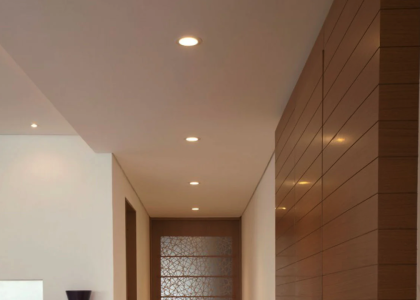
These are a popular choice for ambient lighting, especially in open-plan spaces. They’re discreet and provide even illumination without being visually intrusive. For kitchens, look for downlights with a wider beam angle to spread light broadly. In dining areas, you might opt for slightly fewer or dimmable options to soften the mood.
Flush Mount or Semi-Flush Mount Fixtures
If recessed lighting isn’t an option due to ceiling structure or budget, flush mount or semi-flush mount fixtures can also provide good ambient light. Choose options that distribute light evenly and avoid those that cast harsh shadows directly below.
Track Lighting (with diffusers)
While often used for accent lighting, track lighting with diffusers can also serve as effective ambient lighting in a more modern setting. The ability to direct individual heads allows for flexible illumination, but ensure the light is softened to avoid glare.
Task Lighting: Where the Work Happens
Task lighting is crucial for specific activities. In an open-plan kitchen and dining area, this means focusing on your countertops, hob, and potentially a dedicated reading nook in the dining area.
Under-Cabinet Lighting
This is non-negotiable for kitchen task lighting. Under-cabinet lights illuminate your work surfaces, eliminating shadows cast by overhead fixtures. LED strips are a popular choice due to their slim profile, energy efficiency, and even light distribution. Look for options with a good color rendering index (CRI) so food colors appear natural.
Pendant Lights Over Islands or Peninsulas
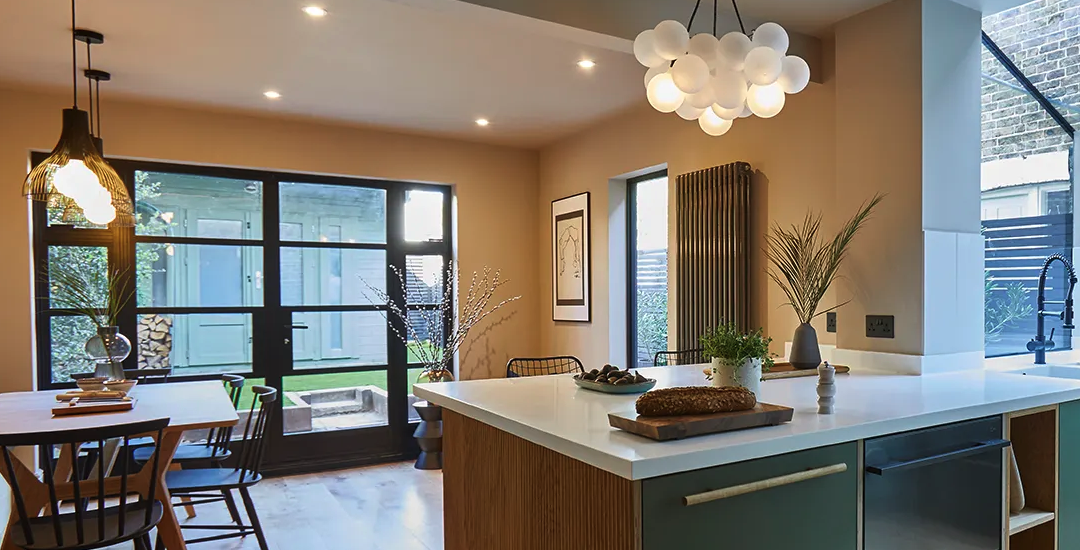
Pendant lights serve a dual purpose over kitchen islands: they provide focused task lighting for prep work and also act as a decorative element, helping to define the kitchen zone. Ensure they hang at an appropriate height – generally, about 30-36 inches above the countertop, or high enough so they don’t obstruct views or head space. Consider dimmable options for flexibility.
Hob Lighting
Many range hoods come with integrated lighting, which is essential for safely cooking. If your hood doesn’t have adequate lighting, consider additional recessed lights directly above the hob area, or even a small, heat-resistant spotlight.
Accent Lighting: Adding Drama and Definition
Accent lighting is all about highlighting features, creating visual interest, and defining specific zones. It adds depth and character to your space.
Wall Sconces
Wall sconces can add a soft glow to a dining area, creating a more intimate atmosphere. They can also highlight artwork or a textured wall, drawing the eye to specific points. Choose sconces that cast light upwards and downwards for a more diffused effect.
Picture Lights
If you have artwork or a gallery wall in your dining area, picture lights can draw attention to these pieces, turning them into focal points.
Strip Lighting in Coves or Shelves
Integrated LED strip lighting in ceiling coves, along open shelving, or even under kick plates can create subtle ambient glow and highlight architectural features or displays. This adds a touch of sophistication without being overly bright.
Spotlights (used sparingly)
Carefully placed spotlights can highlight specific features like a beautiful backsplash, a display cabinet, or a particularly attractive piece of furniture. Use them judiciously to avoid creating a “spotlighted” feeling in the entire room.
Dimmers and Controls: The Power of Flexibility
No matter how well you layer your lighting, it won’t be truly effective without proper controls. Dimmers are your best friend in an open-plan space.
Why Dimmers Are Essential
Dimmers allow you to adjust the intensity of your lights, transforming the mood of the room instantly. Bright for cooking, soft for dining, somewhere in between for general conversation. Without dimmers, your beautifully layered lighting is essentially stuck in “on” mode, limiting its versatility.
Separate Circuits for Each Zone
For optimal control, try to have separate dimmer switches for your kitchen ambient, kitchen task, dining ambient, and dining accent lighting. This allows you to tailor the lighting precisely to the activity and time of day. For instance, you can have your kitchen task lights on bright while your dining area is softly lit for a romantic dinner.
Smart Home Integration
Consider smart home lighting systems for even greater control and convenience. These systems allow you to control lights from your phone, set schedules, and even create custom “scenes” – predefined lighting combinations for different activities (e.g., “cooking,” “dinner party,” “movie night”).
Three-Way Switches
If your open-plan area has multiple entry points, consider installing three-way switches for your main ambient lighting. This allows you to turn lights on or off from different locations, preventing you from fumbling in the dark.
Color Temperature and Color Rendering Index (CRI)
These two aspects often get overlooked, but they significantly impact the overall feel and functionality of your lighting.
Color Temperature: Setting the Mood
Color temperature is measured in Kelvin (K) and describes the warmth or coolness of the light.
Warm White (2700K-3000K)
This light has a yellowish hue, similar to incandescent bulbs. It’s inviting and relaxing, making it ideal for dining areas and general ambient lighting where you want a cozy feel.
Cool White (3500K-4000K)
This is a more neutral white, good for task-oriented areas where you need clear visibility without being too harsh. It’s often suitable for kitchen ambient and task lighting, providing good clarity without making food look unappetizing.
Daylight (5000K-6500K)
This mimic natural daylight and can feel very bright and stimulating. While good for very specific task areas like a laundry room, it’s generally too stark for most living spaces and can make food look less appealing. Use with caution in an open-plan kitchen/dining space.
Blending Color Temperatures
You can absolutely blend color temperatures! For example, use cool white (3500K-4000K) for your kitchen task lighting to ensure good visibility for cooking, and a warmer white (2700K-3000K) for your dining area’s ambient and accent lighting to create a more inviting atmosphere. Just ensure the transition isn’t too jarring.
Color Rendering Index (CRI): Showing True Colors
CRI is a measure of how accurately a light source renders colors compared to natural sunlight. A higher CRI (closer to 100) means colors will appear more vibrant and true-to-life.
Why CRI Matters in Kitchens
In a kitchen, a high CRI is important so you can accurately see the color of your ingredients and cooked food. A low CRI can make food look dull or unappetizing. Aim for a CRI of 80 or higher for most kitchen lighting, and ideally 90+ for task-critical areas.
Why CRI Matters in Dining Areas
While slightly less critical than in the kitchen, a good CRI in the dining area still ensures that your food, decor, and even your guests’ complexions look natural and appealing under the artificial light.
Practical Considerations and Common Mistakes to Avoid
Beyond the types and temperatures, a few practical points can make a big difference in your lighting plan.
Don’t Forget About Natural Light
Consider how natural light enters your open-plan space throughout the day. Your artificial lighting should complement, not fight with, the sun. Use dimmers to adjust artificial lights as natural light levels change. Avoid placing highly reflective surfaces directly opposite windows if they might cause excessive glare.
Scale and Proportion
Pay attention to the size of your fixtures relative to the space. A tiny pendant over a massive island will look lost, while an oversized chandelier in a small dining area can feel overwhelming. Measure your space and consider the visual weight of each fixture.
Avoiding Glare and Shadows
Glare is uncomfortable and can reduce visibility. Avoid bare bulbs at eye level. Use diffusers on fixtures where possible. Also, strategically place task lighting to eliminate shadows created by your own body while working at the counter. Under-cabinet lighting is key for this.
Don’t Over-Light
It’s tempting to add lots of fixtures, but too much light can make a space feel sterile and unwelcoming. Focus on quality over quantity and utilize dimmers to control intensity.
Think About Maintenance
Consider the type of bulbs and fixtures you choose. LED bulbs are energy-efficient and long-lasting, reducing the frequency of bulb changes, especially in hard-to-reach places. Think about how easy it will be to clean light fixtures, especially in a kitchen where grease and dust can accumulate.
Budgeting for Lighting
Lighting can be a significant part of a renovation budget. Prioritize your spending: invest in good quality task lighting in the kitchen and dimmable ambient lighting. You can save a bit on less critical accent pieces if needed, but don’t skimp on the functionality of your primary lighting layers.
By taking a layered approach, considering the specific needs of each zone, and paying attention to details like color temperature and controls, you’ll create an open-plan kitchen and dining area that is not only functional but also inviting and beautiful, adapting seamlessly to every moment.