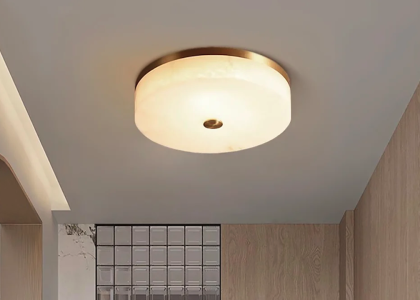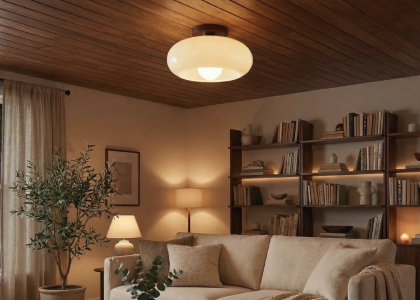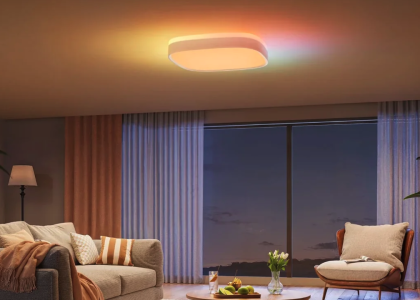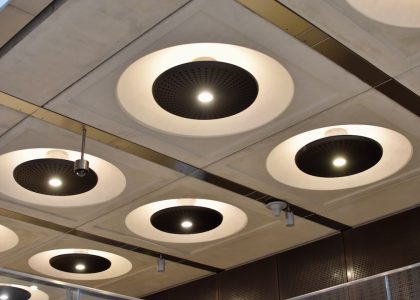

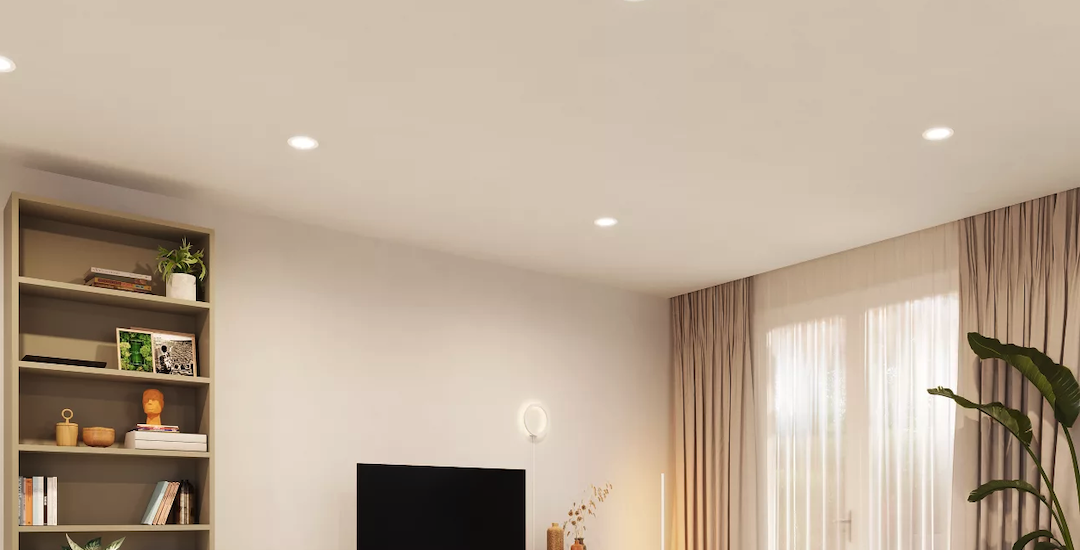
If you’re wondering what the fuss is about with contemporary ceiling design, especially when it comes to slim profile downlights, the short answer is this: they’re a game-changer for modern spaces, offering sleek aesthetics and practical illumination without the bulk of traditional fixtures. They’re designed to integrate almost seamlessly into your ceiling, providing focused light where you need it, and are a key element in achieving that clean, minimalist look so popular today.
Traditional recessed lighting, while effective, often comes with a bit of a depth requirement. This isn’t always ideal, especially in structures with limited ceiling cavity space, like apartments, remodels, or even some new builds with intricate HVAC or plumbing running above. Slim profile downlights Scules circumvent this entirely. They require minimal depth for installation, often just a couple of inches, making them incredibly versatile.
Maximizing Ceiling Height
This might sound like a small detail, but in rooms with lower ceilings, every inch counts. Bulky fixtures can visually lower the ceiling even further. Slim downlights, on the other hand, virtually disappear, creating an uninterrupted surface that enhances the perception of height and spaciousness. It’s a subtle trick that makes a big difference in how a room feels.
Embracing Minimalism
The aesthetic appeal of contemporary design often leans towards simplicity and uncluttered spaces. Slim profile downlights are perfectly aligned with this philosophy. Their unobtrusive nature allows the architecture and other design elements to take center stage. There are no dangling wires, no chunky trims, just light emerging from the ceiling.
Understanding the Technology Behind Slim Downlights
While they look simple, a lot of thought and engineering goes into making these lights efficient and effective. Modern slim downlights almost exclusively use LED technology, which is a major contributor to their slim profile and numerous other benefits.
The Power of LEDs
LEDs (Light Emitting Diodes) are inherently tiny. Unlike incandescent bulbs that require a relatively large filament and glass bulb, or fluorescent tubes that need space for gases, LEDs are compact semiconductors. This allows manufacturers to create very shallow light engines that fit within the slim profiles.
Energy Efficiency and Longevity
Beyond their small size, LEDs are incredibly energy-efficient. They consume far less electricity than traditional bulbs to produce the same amount of light, which translates directly into lower energy bills. Moreover, they boast an exceptionally long lifespan, often tens of thousands of hours. This means fewer bulb changes, which is not only convenient but also reduces waste.
Heat Management
One common misconception is that LEDs don’t produce heat. They do, but they dissipate it differently than traditional bulbs. Efficient heat sinking is crucial for the longevity of an LED, and for slim downlights, this is carefully engineered within their compact housing to ensure proper operation without compromising the slim form factor.
Driver Technology
Another key component is the LED driver. This electronic circuit regulates the power supplied to the LED, ensuring consistent light output and protecting the LED from power fluctuations. For slim downlights, these drivers are often integrated directly into the fixture or designed to be exceptionally compact themselves, sometimes even external but still very small.
Dimmability and Smart Home Integration
Modern drivers also enable dimming capabilities, which is a significant advantage for creating different moods and controlling energy consumption. Many slim downlights are compatible with various dimmer switches, and increasingly, they offer smart home integration, allowing you to control them via apps, voice commands, or automated schedules.
Installation Considerations for Slim Profile Downlights
While their slim profile often simplifies installation in terms of depth, there are still some practical aspects to consider before committing to these fixtures.
Ceiling Structure and Joists
Even though they’re shallow, you still need to be mindful of ceiling joists. While traditional recessed lights might require cutting into joists or repositioning them, slim downlights often fit between joists. However, it’s always wise to map out your ceiling structure before drilling to ensure clean installation. Some models are even designed with adjustable spring clips that can accommodate varying ceiling thicknesses and materials.
Wiring and Electrical Boxes
All recessed lighting requires electrical wiring. For slim downlights, the wiring connects to a junction box, which is often integrated into the fixture itself or provided as a separate, but still compact, unit. You’ll need to ensure you have accessible wiring points or plan for new runs if you’re undertaking a complete renovation. Adhering to local electrical codes is paramount for safety and compliance.
Insulation Clearances
This is a critical point. While slim downlights generally produce less heat than traditional bulbs, they still generate some. It’s essential to check the insulation contact (IC) rating of the fixture. An IC-rated fixture is designed to be safely installed in direct contact with insulation. Non-IC rated fixtures require a certain clearance from insulation to prevent overheating and potential fire hazards. Most modern slim LED downlights are IC-rated, simplifying this aspect, but always verify.
Design Versatility: Where Slim Downlights Shine
The adaptability of slim profile downlights makes them suitable for a wide array of applications, transforming different rooms with their sleek illumination.
Task Lighting
For areas where focused light is crucial, such as kitchen countertops, home offices, or reading nooks, slim downlights excel. Their directional beam can precisely illuminate work surfaces without casting unnecessary glare or shadows. You can strategically place them to highlight specific areas, providing effective task-specific illumination.
Ambient Lighting
While they are excellent for task lighting, they can also contribute significantly to ambient lighting, especially when multiple fixtures are used and properly spaced. By distributing several downlights evenly across a ceiling, you can achieve a soft, general illumination that creates a comfortable and inviting atmosphere. Dimmable options further enhance their ability to set various moods.
Accent Lighting
Looking to highlight a piece of art, a textured wall, or a bookshelf? Slim downlights can be precisely aimed to create accent lighting. Some models even offer adjustable gimbals, allowing you to direct the light beam exactly where you want it, drawing attention to specific features and adding depth and drama to a room.
Wall Washing and Grazing
For a more dramatic effect, consider “wall washing” or “wall grazing.” Wall washing involves positioning downlights closer to a wall to create an even bathe of light across its surface. Wall grazing, on the other hand, uses fixtures placed very close to a textured wall, causing the light to skim its surface and accentuate the texture, creating interesting shadow play.
Understanding Light Quality and Beam Spreads
It’s not just about how the light looks coming out of the ceiling, but also the quality and direction of that light. Contemporary ceiling design pays close attention to these details, and slim downlights offer various options.
Color Temperature (CCT)
Color temperature, measured in Kelvin (K), describes the “warmness” or “coolness” of the light.
Warm White (2700K-3000K)
This resembles the traditional incandescent glow – a soft, yellowish light that’s often preferred in living rooms, bedrooms, and dining areas for creating a cozy and inviting atmosphere.
Neutral White (3500K-4000K)
A balance between warm and cool, neutral white is versatile and often used in kitchens, bathrooms, and offices where a clear, bright light is desired without being overly clinical.
Cool White/Daylight (5000K-6500K)
Mimicking natural daylight, this cooler, bluer light is suitable for task-oriented areas where high visibility is crucial, such as workshops, garages, or even commercial settings. However, it can feel a bit stark in residential living spaces.
Color Rendering Index (CRI)
CRI measures how accurately a light source renders colors compared to natural sunlight. A higher CRI (ideally 90 or above) means colors will appear more vibrant and true to life. For areas where color accuracy matters, like art studios, retail displays, or even bathrooms where you want your true reflection, a high CRI is a must.
Beam Angle
The beam angle dictates how wide or narrow the spread of light will be.
Narrow Beam (Spotlight)
Typically 15-30 degrees, these are excellent for accent lighting, highlighting specific objects, or creating dramatic effects.
Medium Beam (Floodlight)
Ranging from 30-60 degrees, this is a versatile choice for both task and ambient lighting, providing a good balance between focus and spread.
Wide Beam (Washlight)
Generally 60 degrees or more, wide beam angles are ideal for general ambient lighting, washing walls evenly, or illuminating larger areas with fewer fixtures.
Choosing the right combination of color temperature, CRI, and beam angle is crucial for achieving the desired lighting effect and functionality in each space. It’s not a one-size-fits-all situation; thoughtful selection customizes the illumination to your specific needs.